Programmes
Programmes
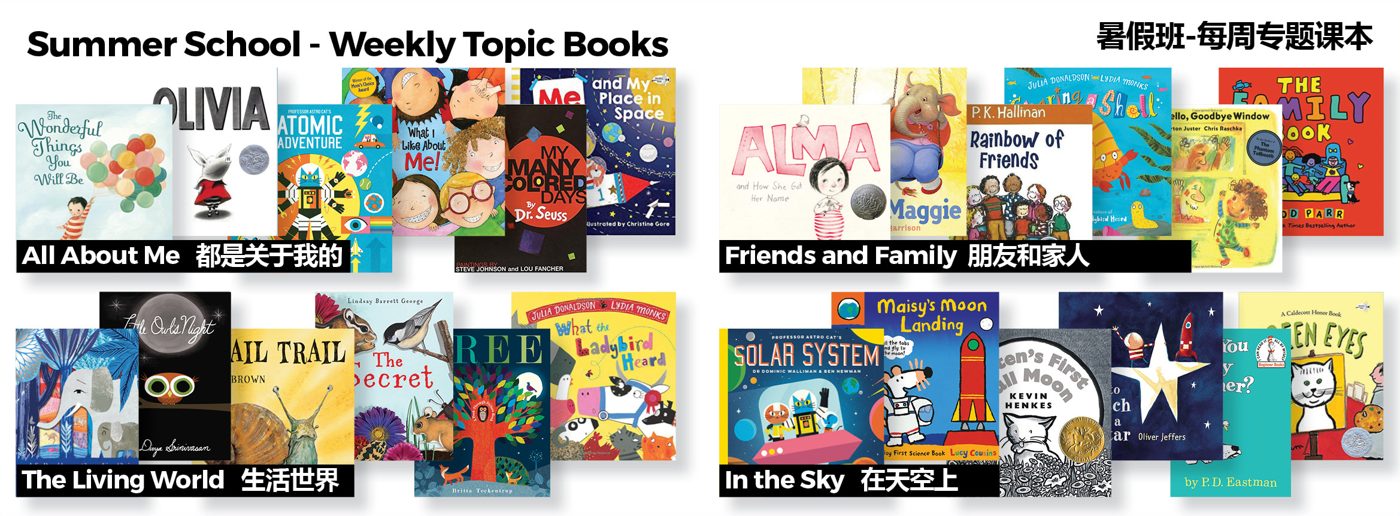
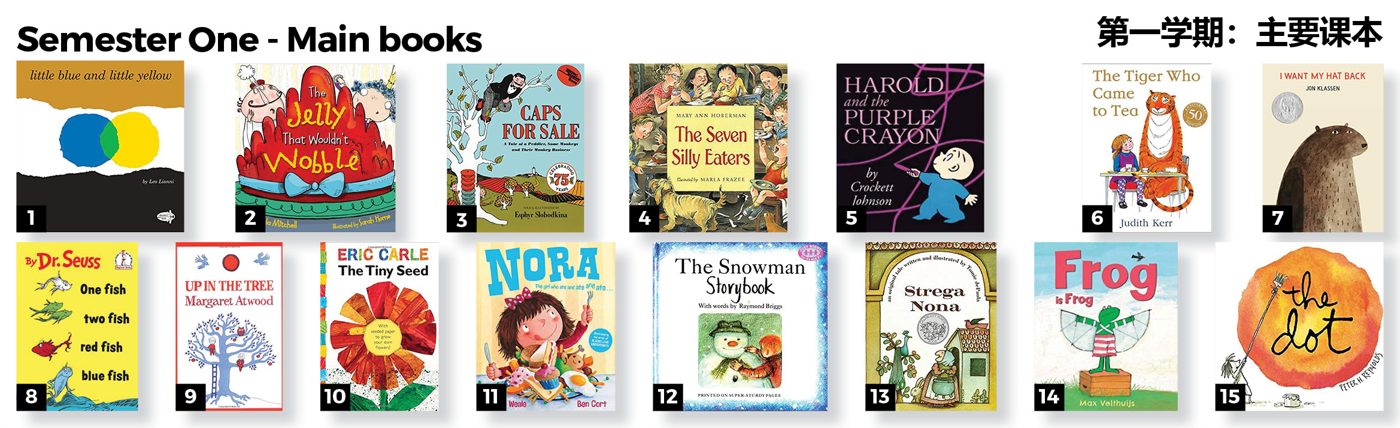
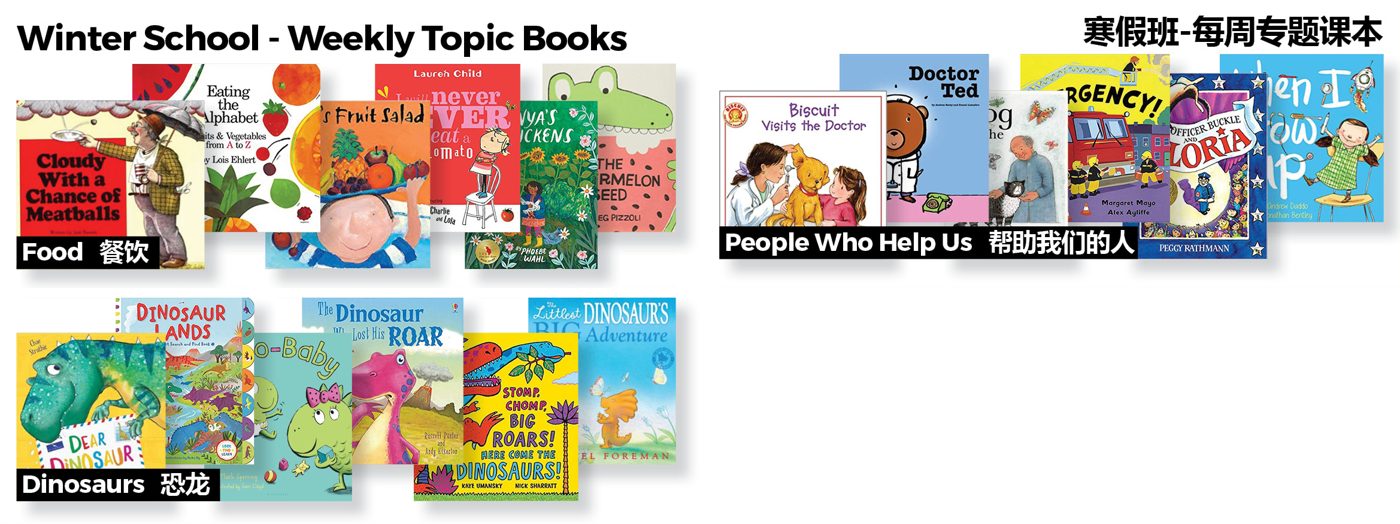
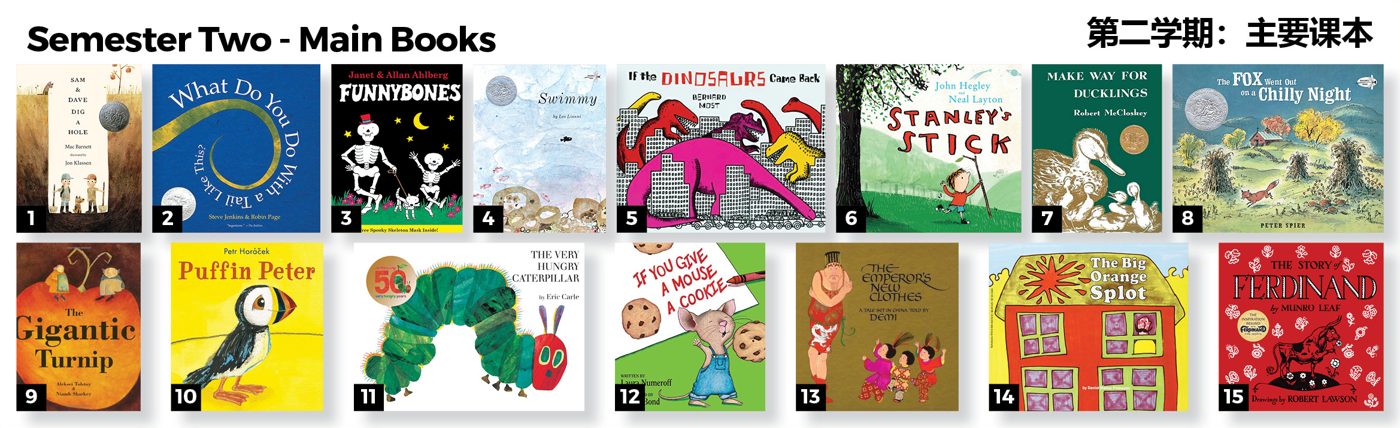
Studio's programmes run from early childhood to the mid-teens. Children begin in Early Years, move through Primary English into Kids Canon and Teens Canon, and the strongest readers continue into Non-Fiction. Comparative Mythology Through Drama runs in Winter School and Summer School. Studio Ready brings students' English up to the level the core courses require, and Global Learning takes students to England in the summer.
The Learning Journey
Our programmes span ages 3 to 15, building on one another as young learners grow into confident, independent thinkers.
CMDWinter & Summer School only
Global LearningSummer residentials

For students aged 3–6
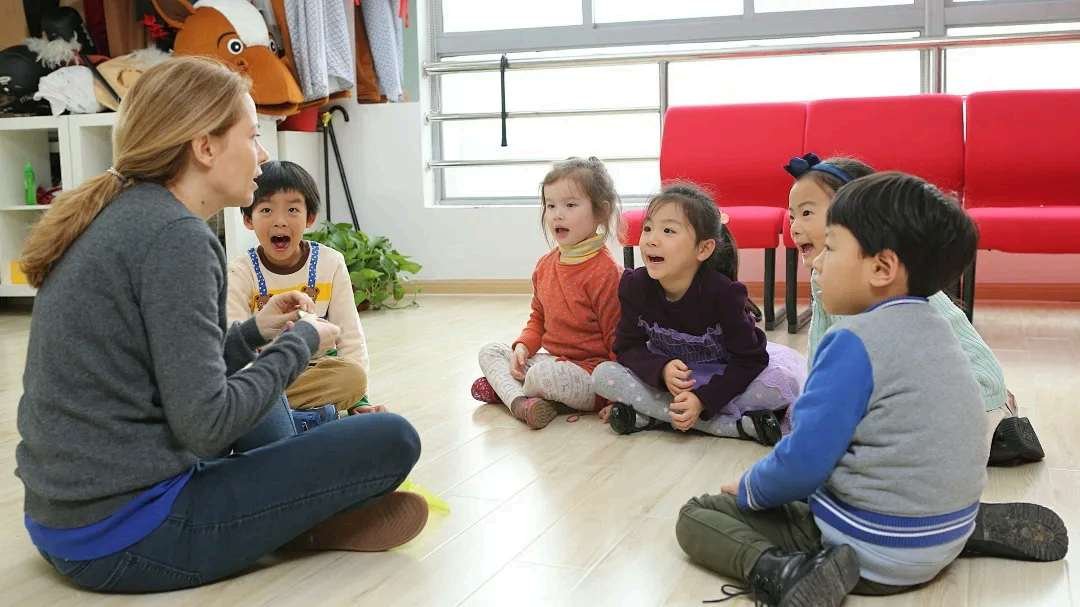
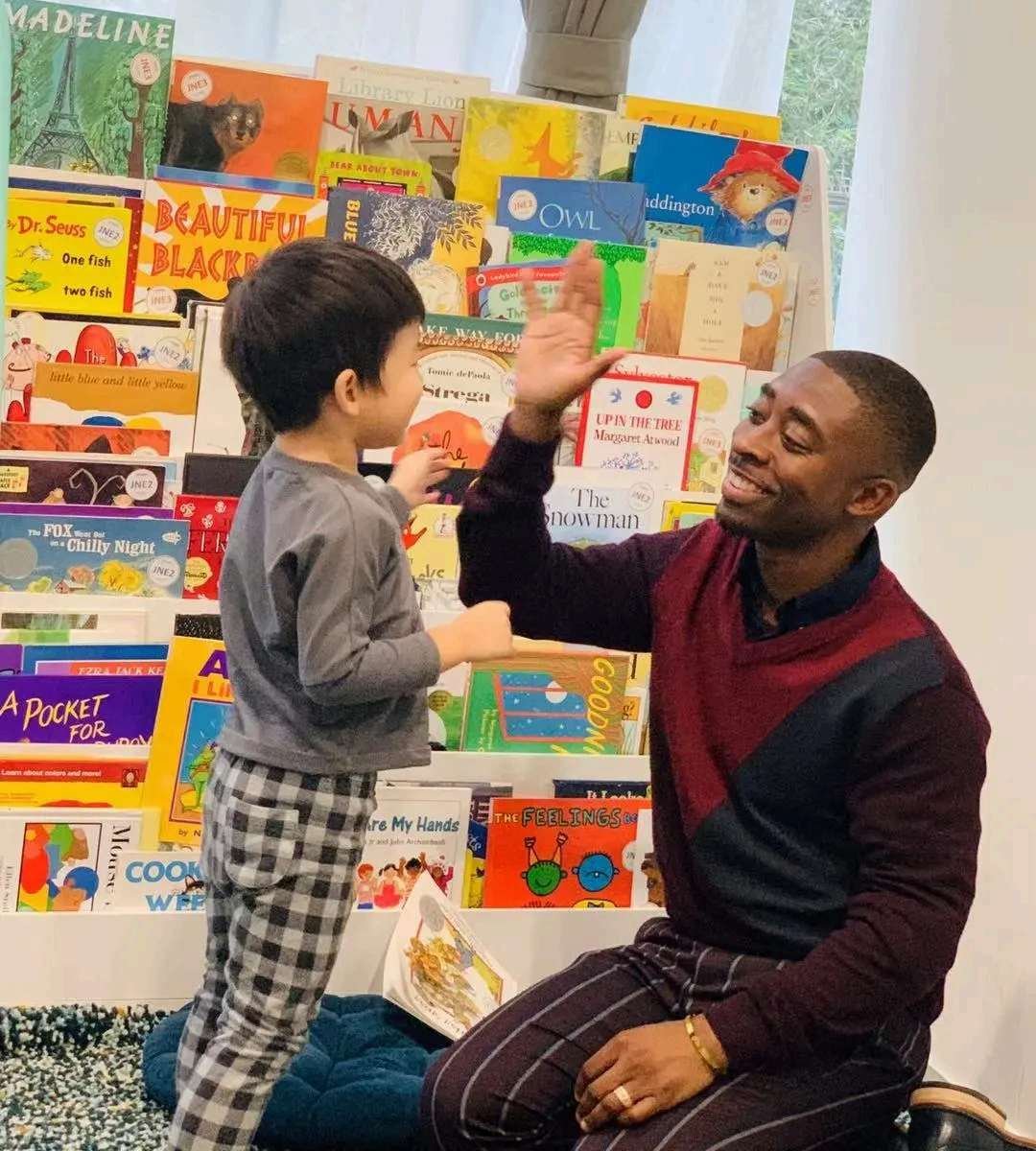
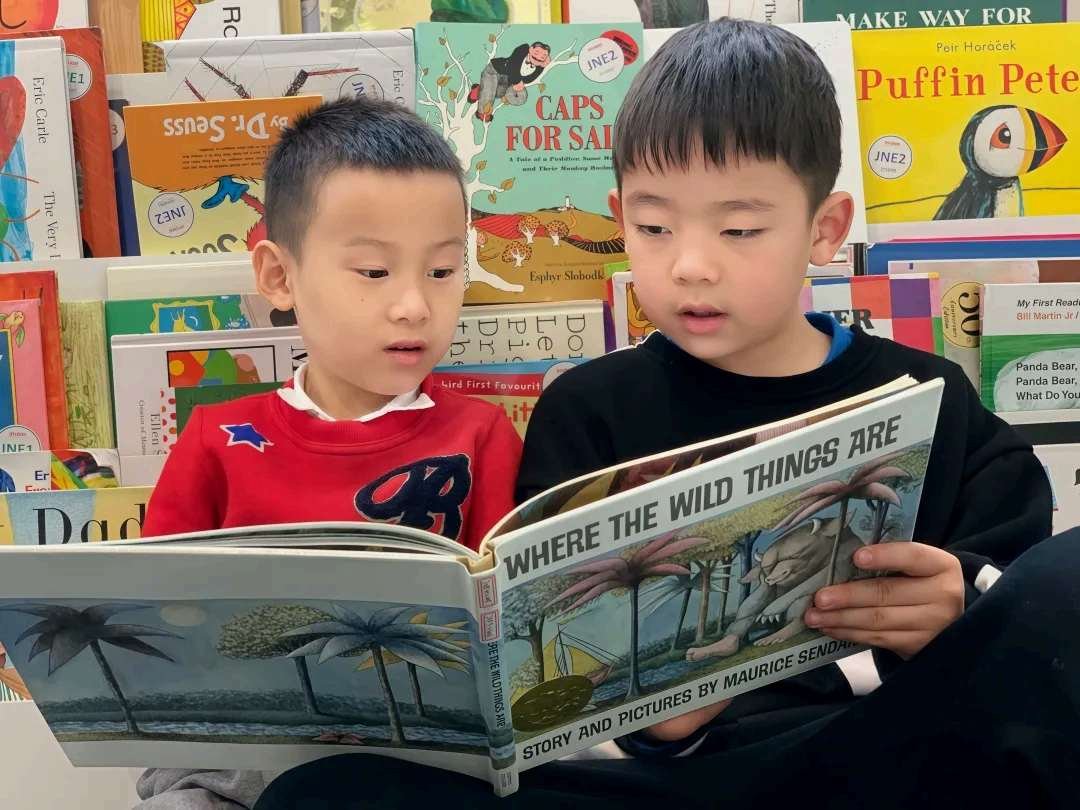
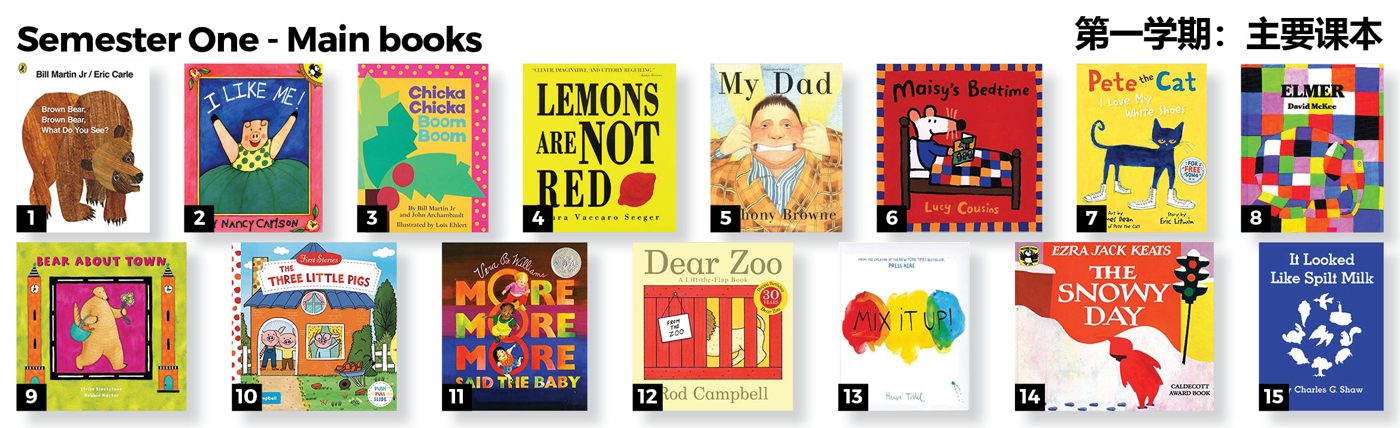
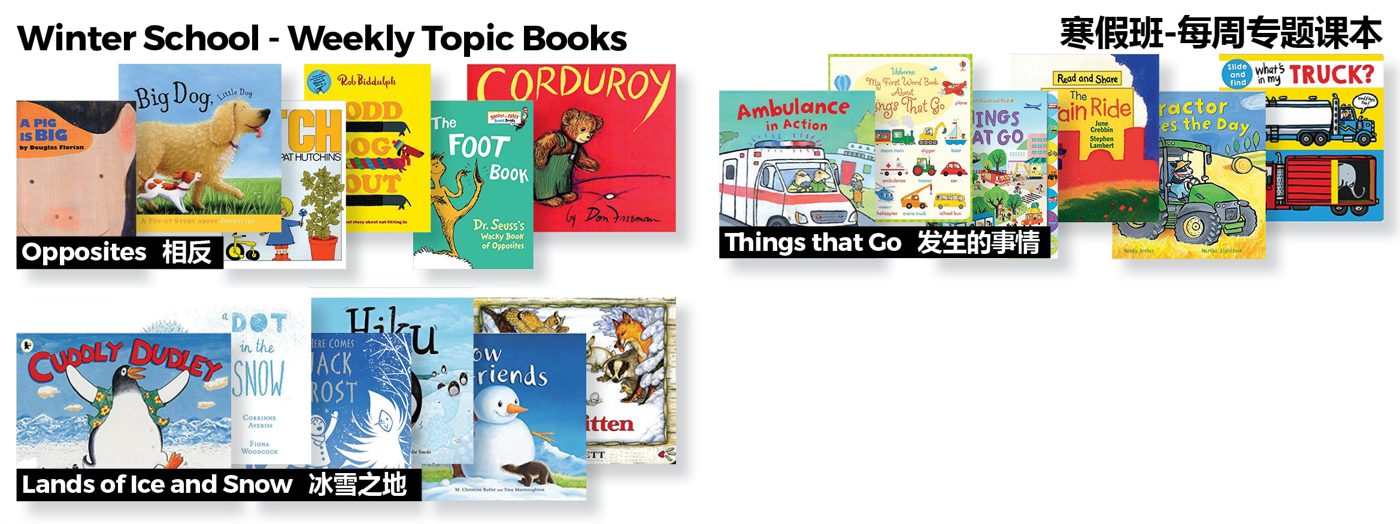
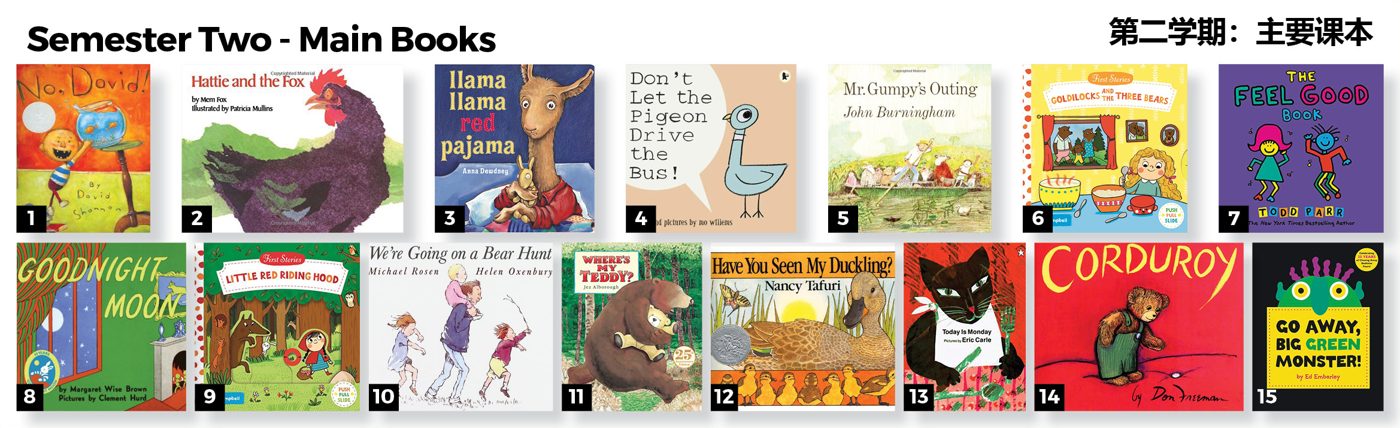
Studio's Early Years courses are created to expose children to great literature from an early age. Young learners will engage with a variety of material in a number of exciting ways, from group reading of fiction, to dramatic poetry recitals, to emotional song performances, all designed to increase students' language skills and confidence.
The Drama course throughout the Early Years programme follows the Trinity Drama Exams teaching content and standards, and children can choose whether to take the exam to obtain the Trinity certificate.
After completing the Early Years course, children progress to Studio Primary English.
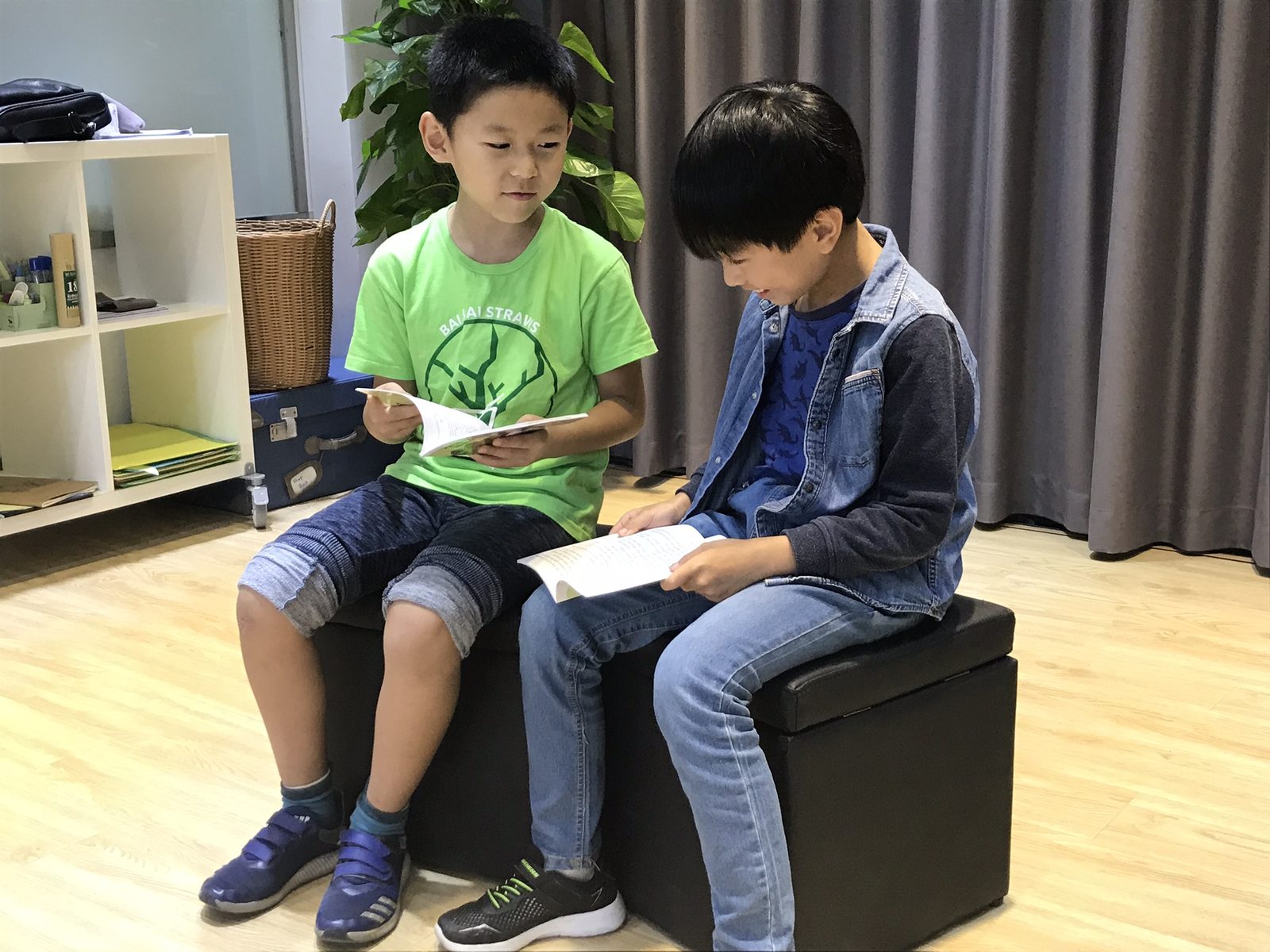
Junior English students interact with age-appropriate classic and modern texts, poetry, drama, and song. The three courses help children read more fluently, build their vocabularies, express themselves better, think more clearly, and grow into confident language users. Students also work with non-fiction texts and practise real-world language use — signs, maps, menus, and role play. Writing using correct spelling, punctuation, and grammar is taught explicitly.
Junior English Level One
Junior English Level Two
Junior English Level Three
↑ Back to top
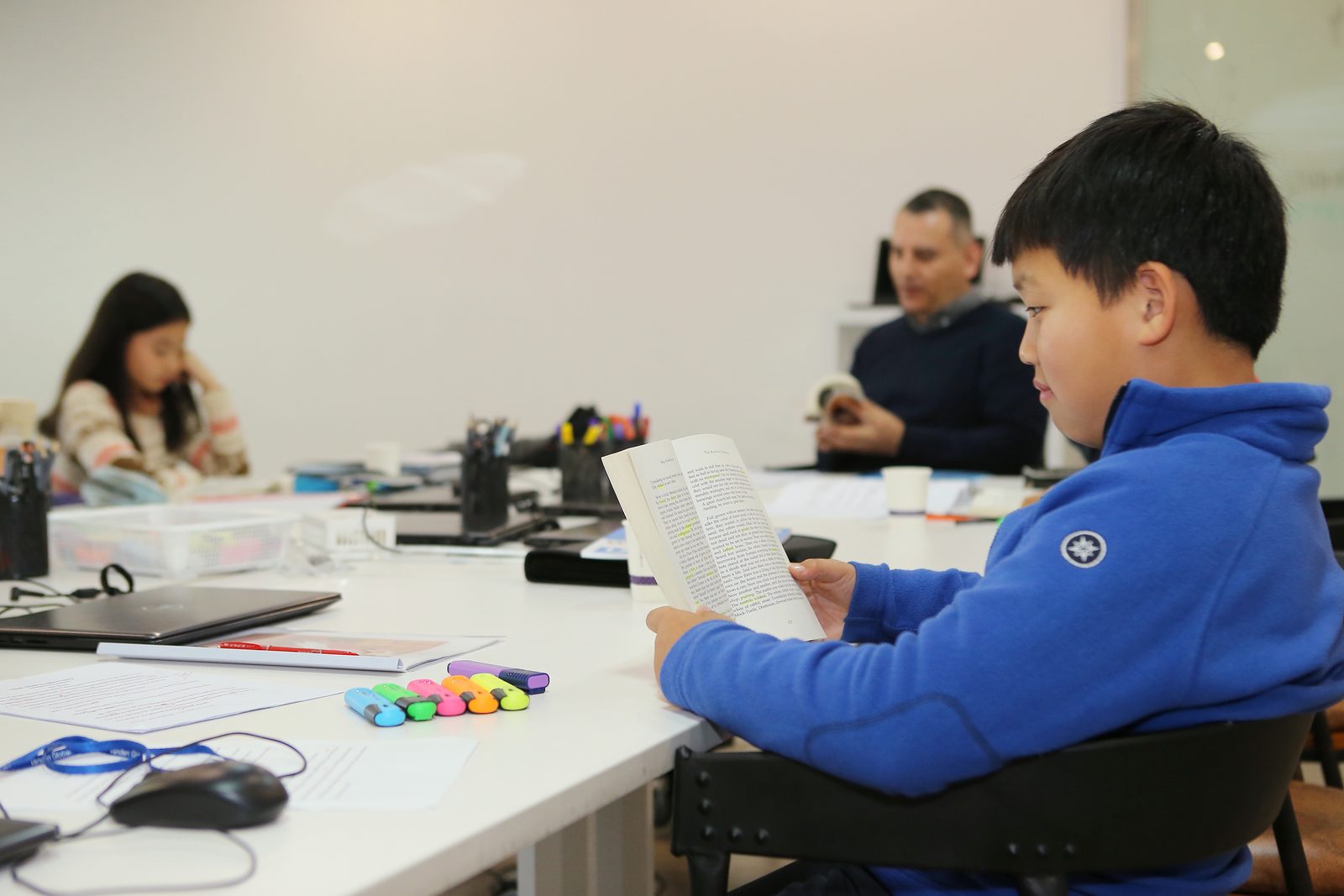
Primary English is an academically rigorous, mixed-discipline course in language, literature, and performance for students at the beginning of primary school. Students study a wide variety of literature from numerous genres and authors, exposing them to books that they would otherwise not study in their schools or read in their free time.
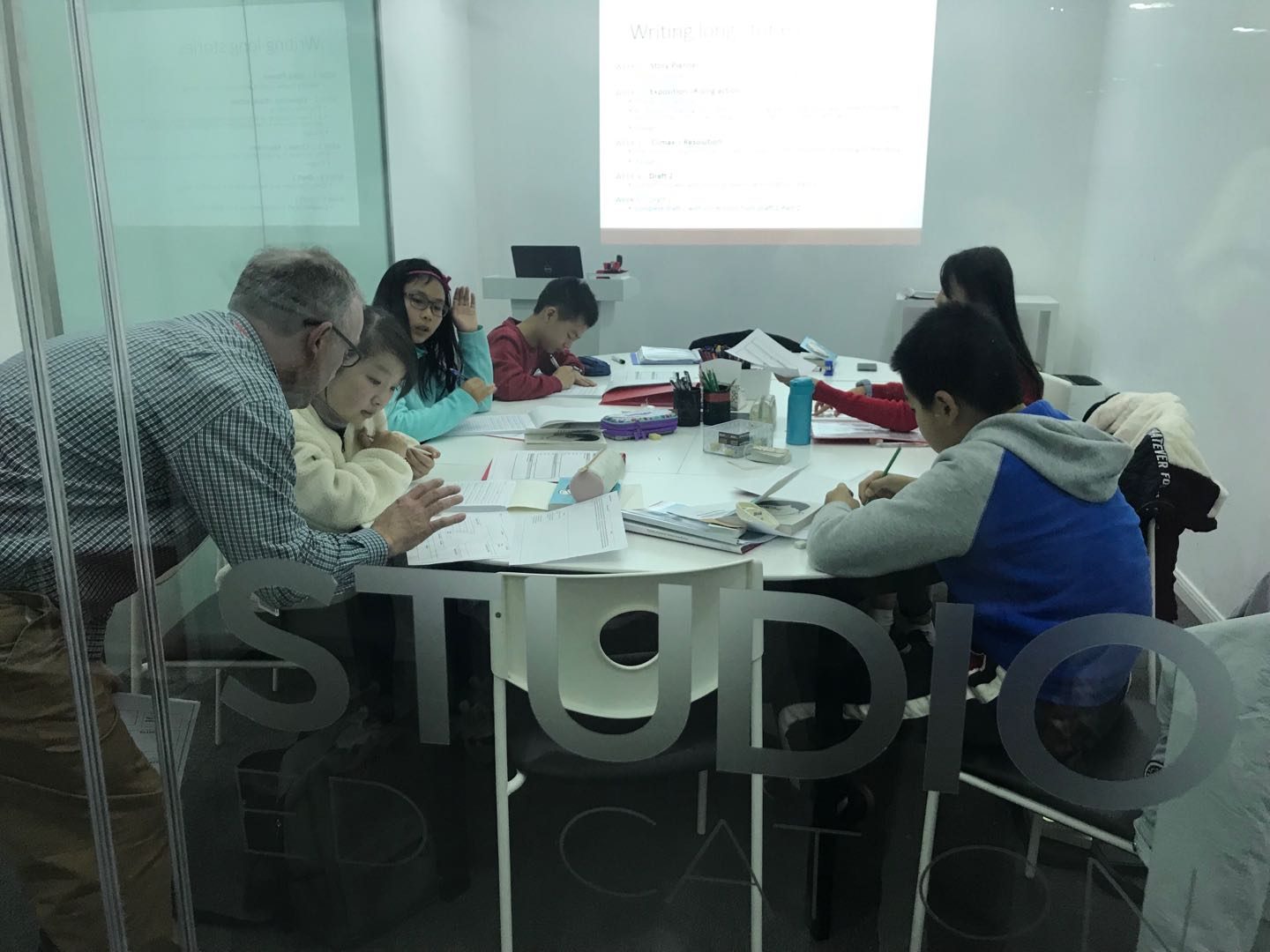
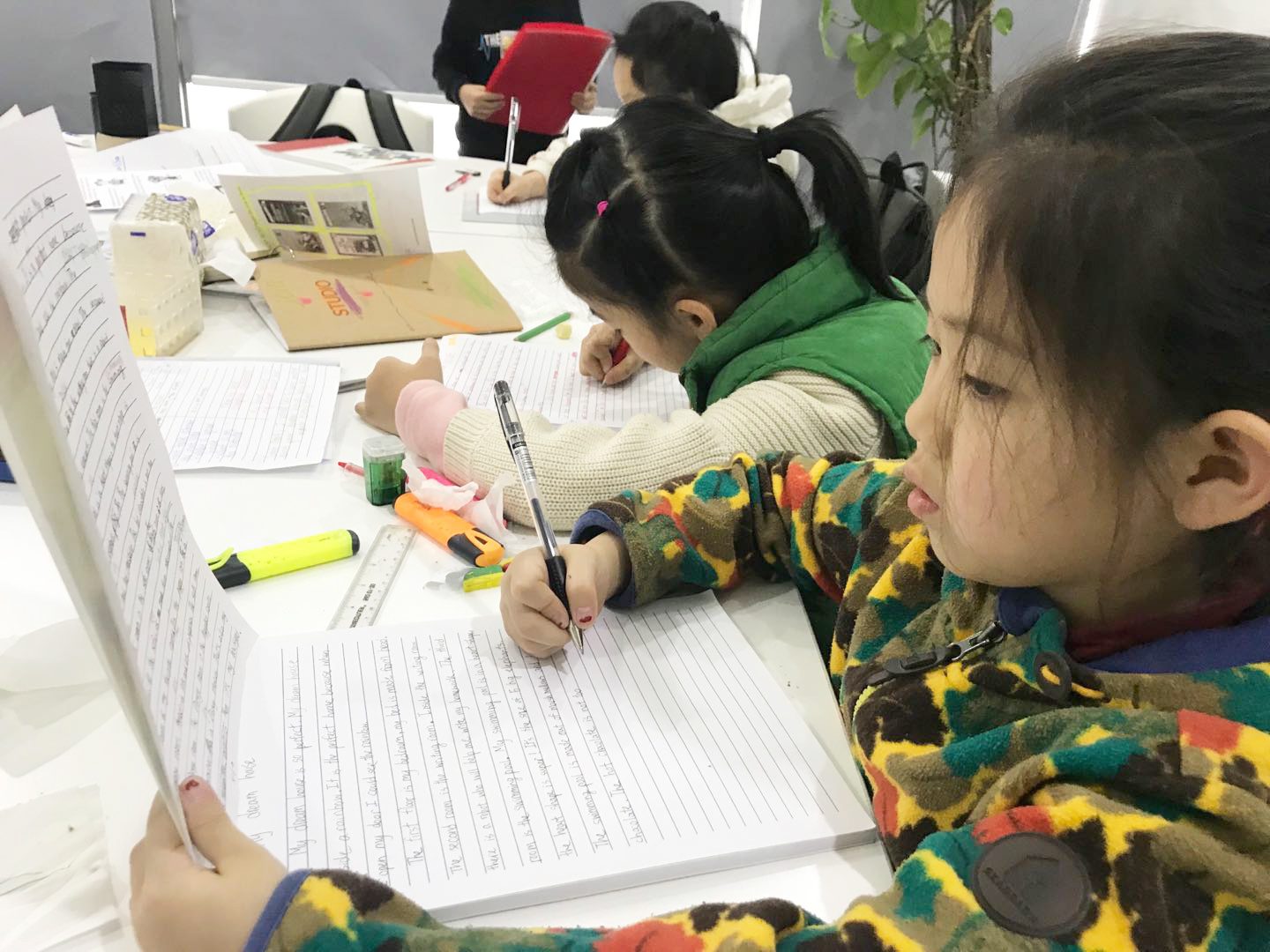
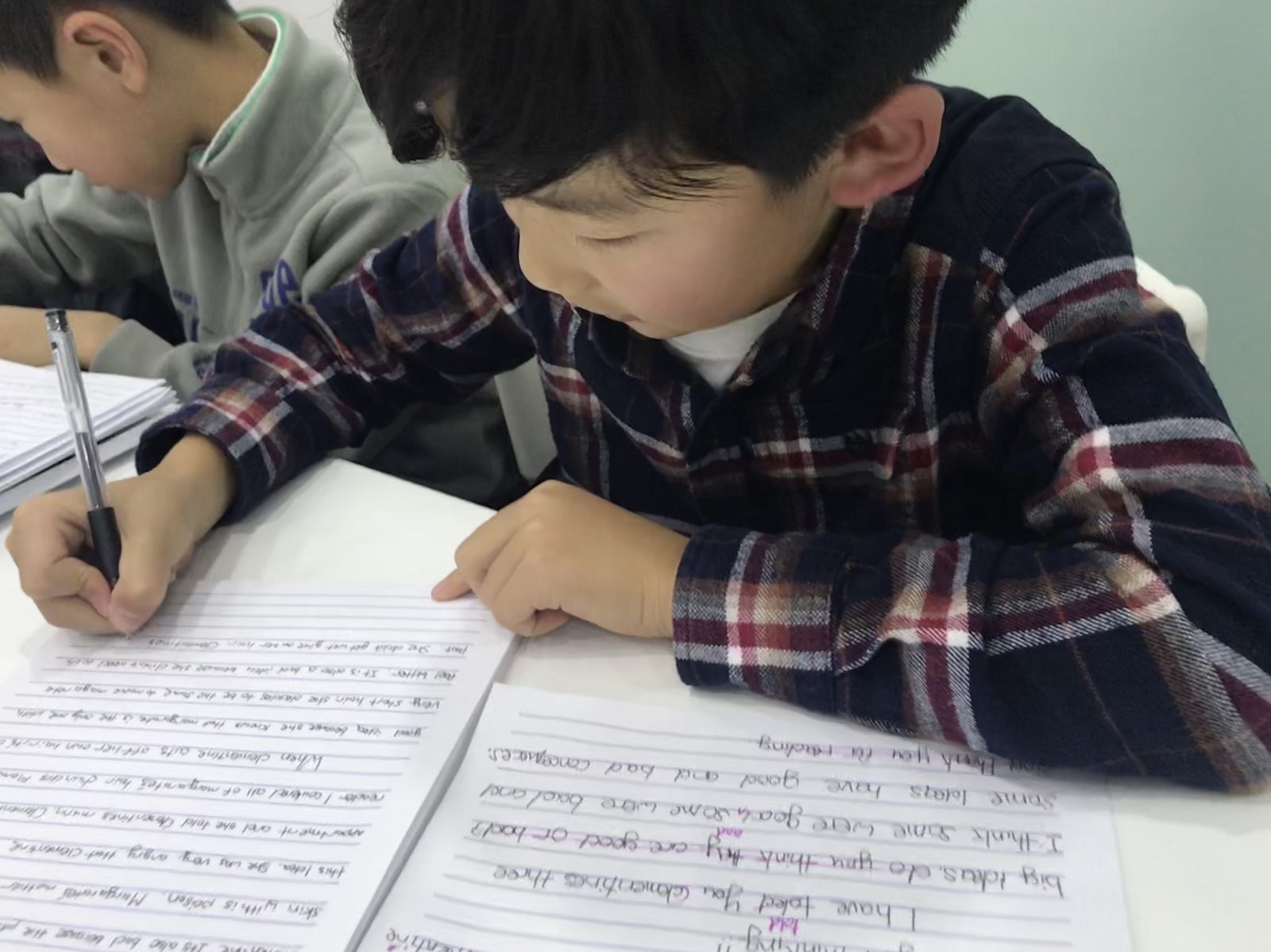
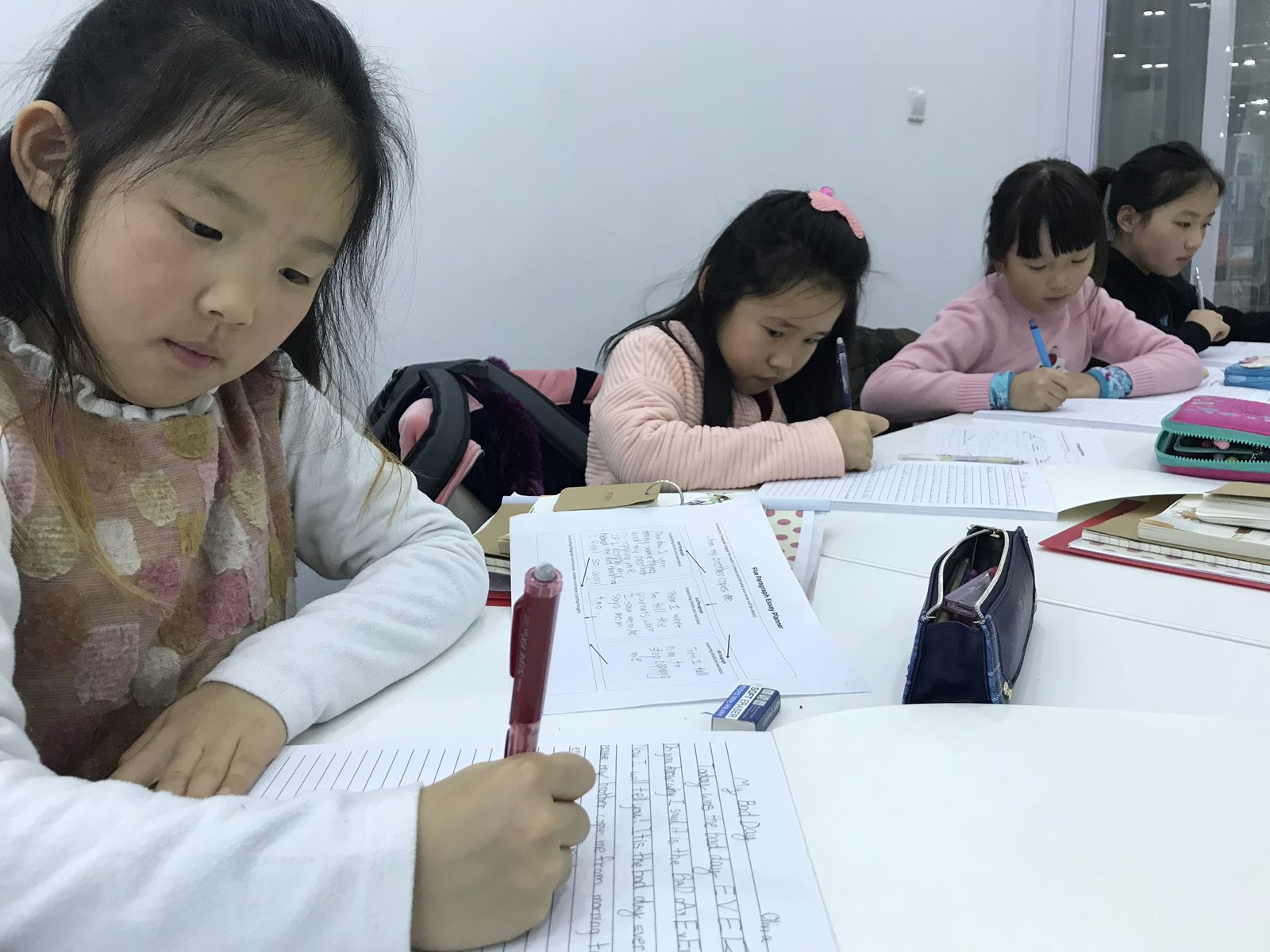
Students are taken through a high-impact writing programme where they will learn to compose both conventional five-paragraph essays and personal narratives that reflect on the concepts and themes presented in the novels. One novel (chapter book) is studied in depth over a period of five lessons. Speaking, oral presentation, and listening are taught through group drama performances.
Initiation G1 · ages 6–7
Semester One
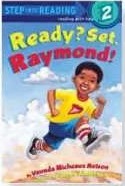
- Ready? Set, Raymond! — Vaunda Nelson, 2002 · Realistic Fiction
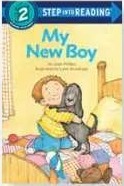
- My New Boy — Joan Phillips, 1986 · Fiction
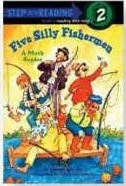
- Five Silly Fishermen — Roberta Edwards, 1989 · Humour
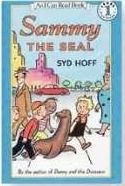
- Sammy the Seal — Syd Hoff, 1959 · Fiction
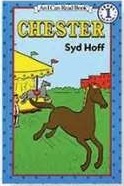
- Chester — Syd Hoff, 1961 · Fiction
Winter School
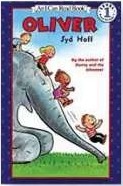
- Oliver — Syd Hoff, 2000 · Fiction
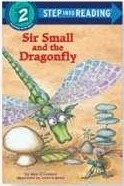
- Sir Small and the Dragonfly — Jane O'Connor, 1988 · Fantasy
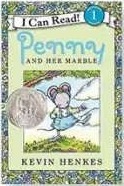
- Penny and Her Marble — Kevin Henkes, 2013 · Fantasy
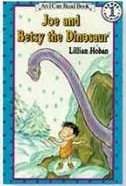
- Joe and Betsy the Dinosaur — Lillian Hoban, 1960 · Fantasy
Semester Two
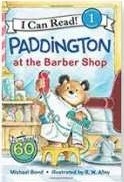
- Paddington at the Barber Shop — Michael Bond, 2017 · Fantasy
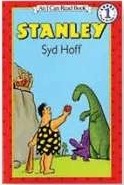
- Stanley — Syd Hoff, 1978 · Fiction
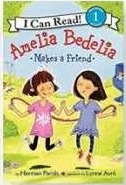
- Amelia Bedelia Makes a Friend — Herman Parish, 2011 · Realistic Fiction
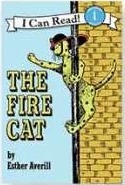
- The Fire Cat — Esther Averill, 1960 · Fantasy
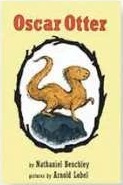
- Oscar Otter — Nathaniel Benchley, 1980 · Fiction
Summer School
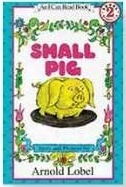
- Small Pig — Arnold Lobel, 1965 · Fiction
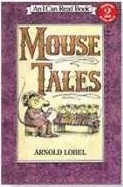
- Mouse Tales — Arnold Lobel, 1960 · Short Stories
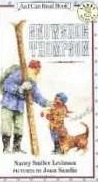
- Snowshoe Thompson — Nancy Smiler Levinson, 1992 · Historical Fiction
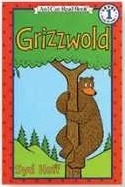
- Grizzwold — Syd Hoff, 1976 · Fiction
Beginners G1–G2 · ages 6–8
Semester One
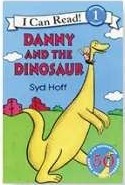
- Danny and the Dinosaur — Syd Hoff, 1958 · Classic/Fantasy
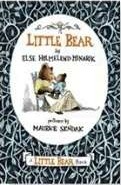
- Little Bear — Elsa Holmelund Minarik, 1957 · Short Stories
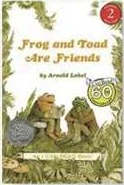
- Frog and Toad Are Friends — Arnold Lobel, 1971 · Classic/Humour/Fantasy
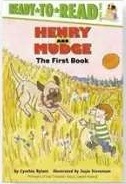
- Henry and Mudge — Cynthia Rylant, 1987 · Comedy and Humour
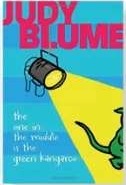
- The One in the Middle Is the Green Kangaroo — Judy Blume, 2014 · General Fiction
Winter School
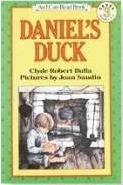
- Daniel's Duck — Clyde Robert Bulla, 1979 · Realistic Fiction
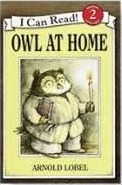
- Owl at Home — Arnold Lobel, 1975 · Fantasy
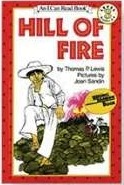
- Hill of Fire — Thomas P. Lewis, 1971 · Historical Fiction
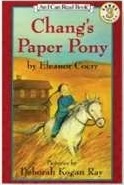
- Chang's Paper Pony — Eleanor Coerr, 1988 · Historical Fiction
Semester Two
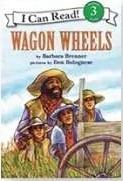
- Wagon Wheels — Barbara Brenner, 1984 · Historical Fiction
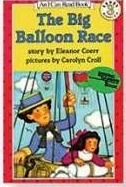
- The Big Balloon Race — Eleanor Coerr, 1981 · Realistic Fiction
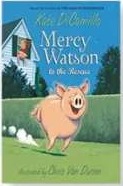
- Mercy Watson to the Rescue — Kate DiCamillo, 2009 · Fantasy Fable
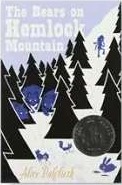
- The Bears on Hemlock Mountain — Alice Dalgliesh, 1952 · Historical Fiction
Summer School
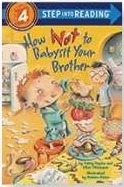
- How Not to Babysit Your Brother — Cathy Hapka, 2005 · Realistic Fiction
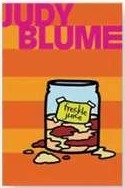
- Freckle Juice — Judy Blume, 2014 · Humour
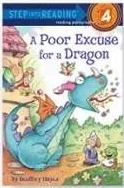
- Poor Excuse for a Dragon — Geoffrey Hayes, 2011 · Fantasy
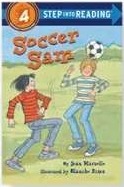
- Soccer Sam — Jean Marzollo, 1987 · Realistic Fiction
Pre-Foundation G1–G3 · ages 6–9
Semester One
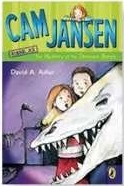
- Cam Jansen and the Mystery of the Dinosaur Bones — David A. Adler, 1981 · Mystery
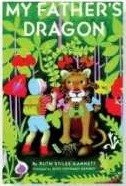
- My Father's Dragon — Ruth Stiles Gannett, 1988 · Fantasy
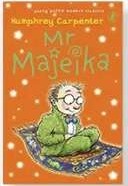
- Mr. Majeika — Humphrey Carpenter, 1988 · Fantasy
Winter School
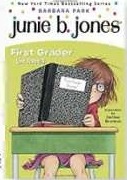
- Junie B. Jones, First Grader (At Last!) — Barbara Park, 2002 · Comedy and Humour
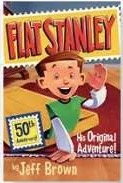
- Flat Stanley: His Original Adventure — Jeff Brown, 1964 · Fantasy Fiction
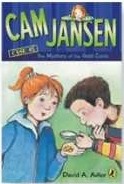
- Cam Jansen and the Mystery of the Gold Coins — David A. Adler, 1982 · Mystery and Suspense
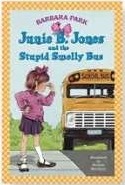
- Junie B. Jones and the Stupid Smelly Bus — Barbara Park, 1992 · Comedy and Humour
Semester Two
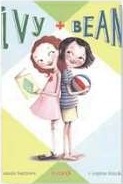
- Ivy + Bean — Annie Barrows, 2006 · Realistic Fiction
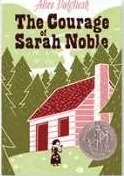
- The Courage of Sarah Noble — Alice Dalgliesh, 1954 · Historical Fiction
- Winnie-the-Pooh — A. A. Milne, 1926 · Classic/Fantasy
Summer School
- The Chalk Box Kid — Clyde Robert Bulla, 1987 · Realistic Fiction
- The Littles — John Peterson, 1967 · Fantasy
- Encyclopedia Brown, Boy Detective — Donald J. Sobol, 1963 · Mystery/Adventure
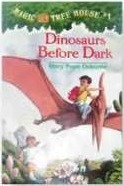
- Dinosaurs Before Dark — Mary Pope Osborne, 1992 · Adventure/Fantasy
Foundation G1–G4 · ages 6–10
Semester One
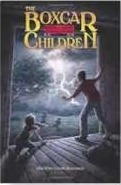
- The Boxcar Children — Gertrude Chandler Warner, 1942 · Realistic Fiction
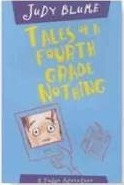
- Tales of a Fourth Grade Nothing — Judy Blume, 1972 · Humour/Realistic Fiction
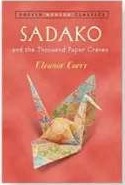
- Sadako and the Thousand Paper Cranes — Eleanor Coerr, 1977 · Historical Fiction
Winter School
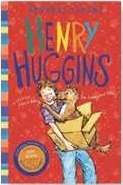
- Henry Huggins — Beverly Cleary, 1950 · Realistic Fiction/Comedy and Humour
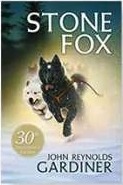
- Stone Fox — John Reynolds Gardiner, 1980 · Realistic Fiction
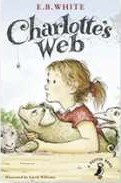
- Charlotte's Web — E. B. White, 1952 · Classic/Fantasy
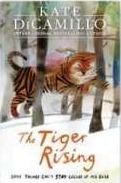
- The Tiger Rising — Kate DiCamillo, 2001 · Realistic Fiction
Semester Two
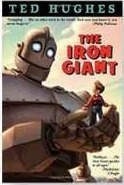
- The Iron Giant — Ted Hughes, 1968 · Science Fiction
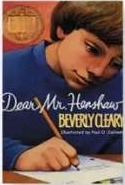
- Dear Mr. Henshaw — Beverly Cleary, 1983 · Realistic Fiction
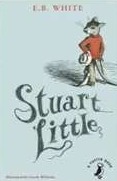
- Stuart Little — E. B. White, 1954 · Classic/Fantasy
Summer School
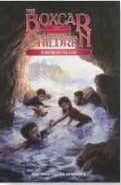
- The Boxcar Children: Surprise Island — Gertrude Chandler Warner, 1949 · Classic/Realistic Fiction/Mystery Suspense
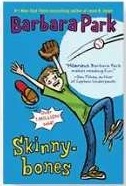
- Skinny Bones — Barbara Park, 1982 · Comedy/Humour
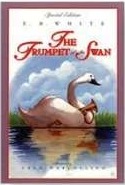
- The Trumpet of the Swan — E. B. White, 1970 · Classic/Adventure
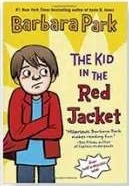
- The Kid in the Red Jacket — Barbara Park, 1987 · Realistic Fiction
↑ Back to top

Kids Canon and Teens Canon are part of Studio Education's innovative and ambitious literature-based offering, delivering excellence in reading, writing, public speaking, and thinking. The courses introduce children to the canon of the most celebrated English literature, both classic and contemporary, through engagement with which they excel intellectually and creatively.
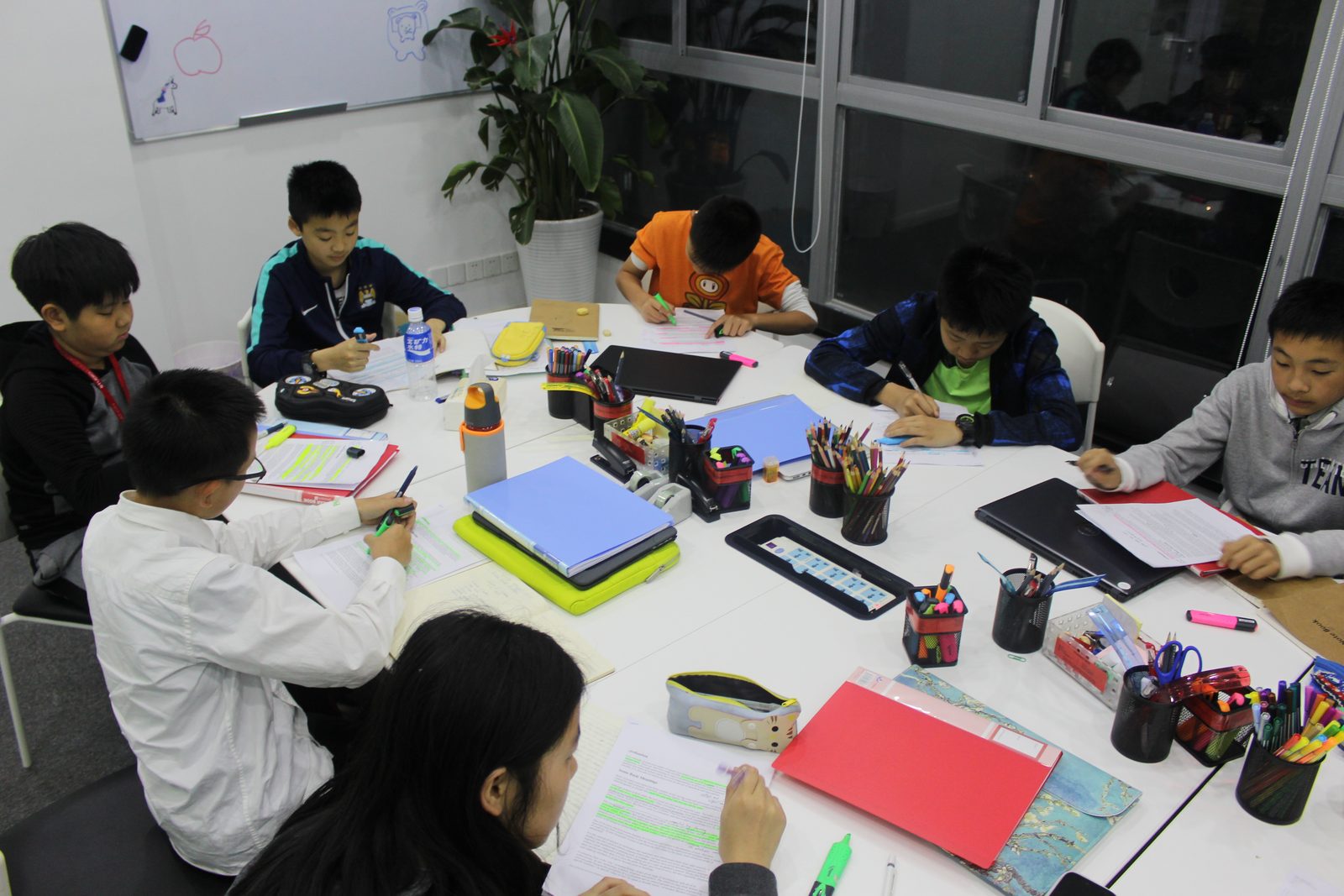
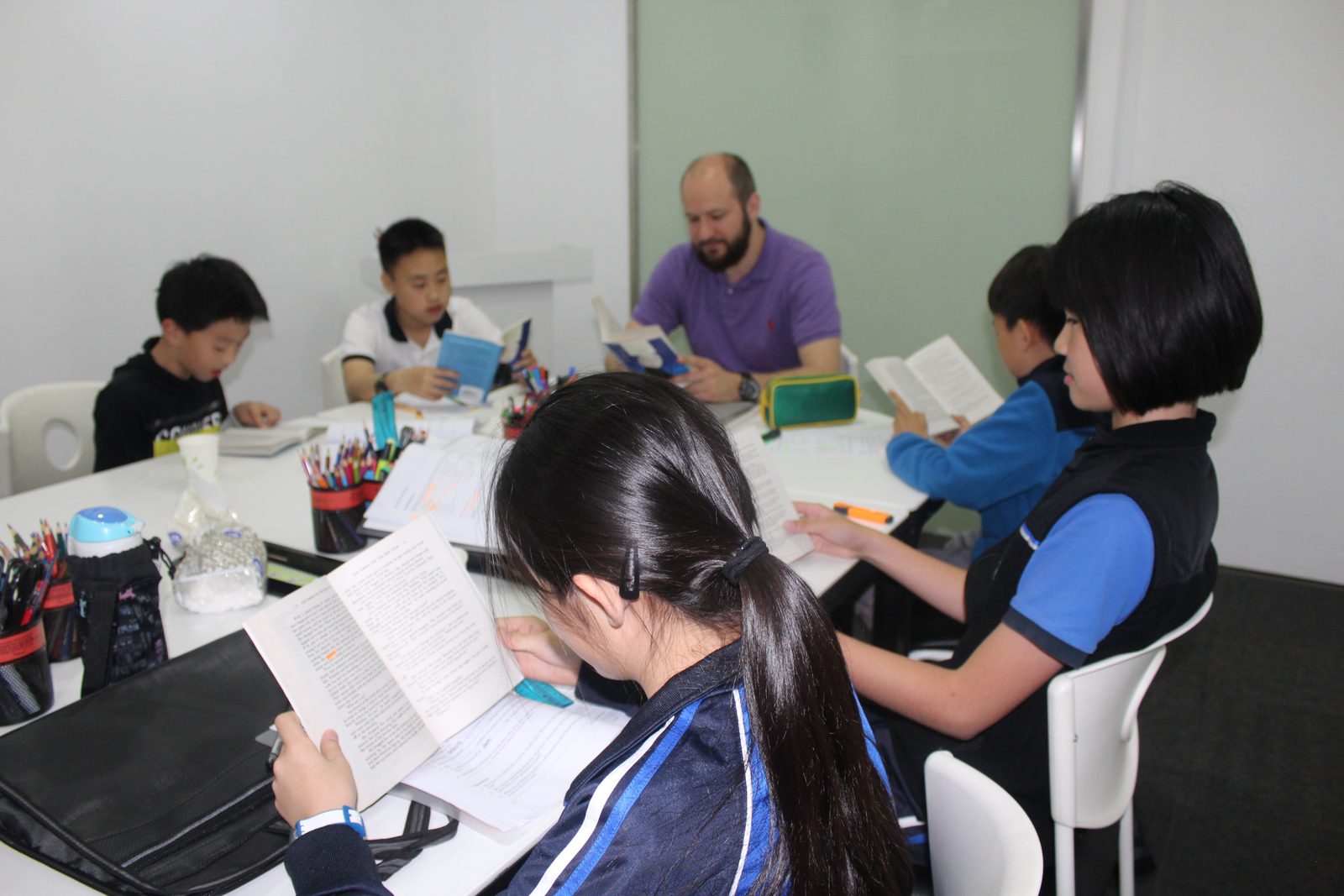
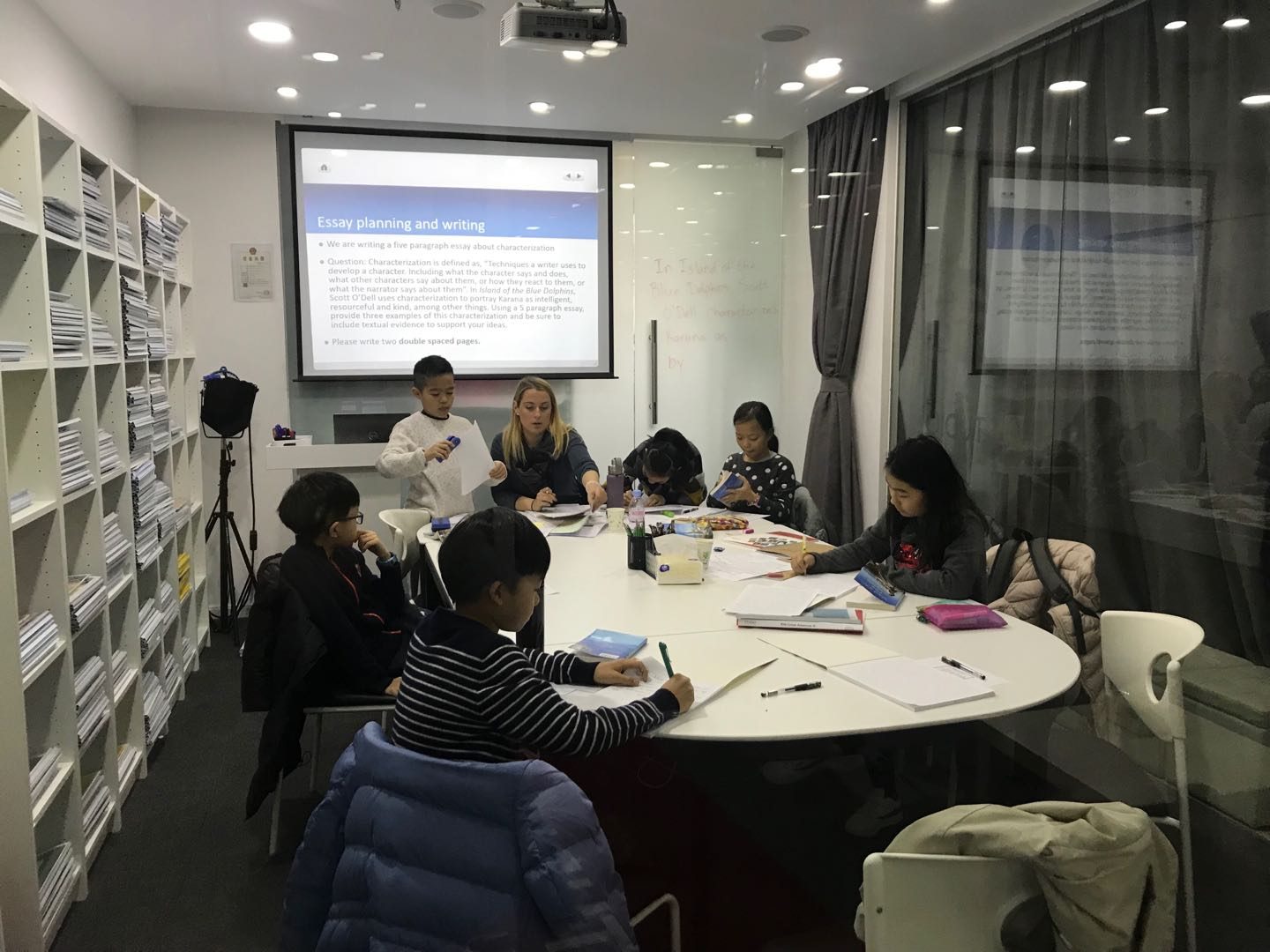
In a revolutionary departure from the excerpt- and anthology-based curriculums that typify primary and secondary schools worldwide, Kids Canon and Teens Canon exemplify Studio's values of discipline and rigour in intellectual and creative pursuits — the hallmark of excellence in education. Through the in-depth study of three carefully selected books per semester, the innate curiosity of students is nurtured in a process of Socratic learning, where thoughtful engagement with a range of topics and differences of opinion are encouraged. Students read one-fifth of a novel each lesson and compile essays and stories in their portfolio (their 'red folder'), which they take with them at the end of each semester or week of Holiday School.
Kids Canon
Intermediate G2–G5 · ages 7–11
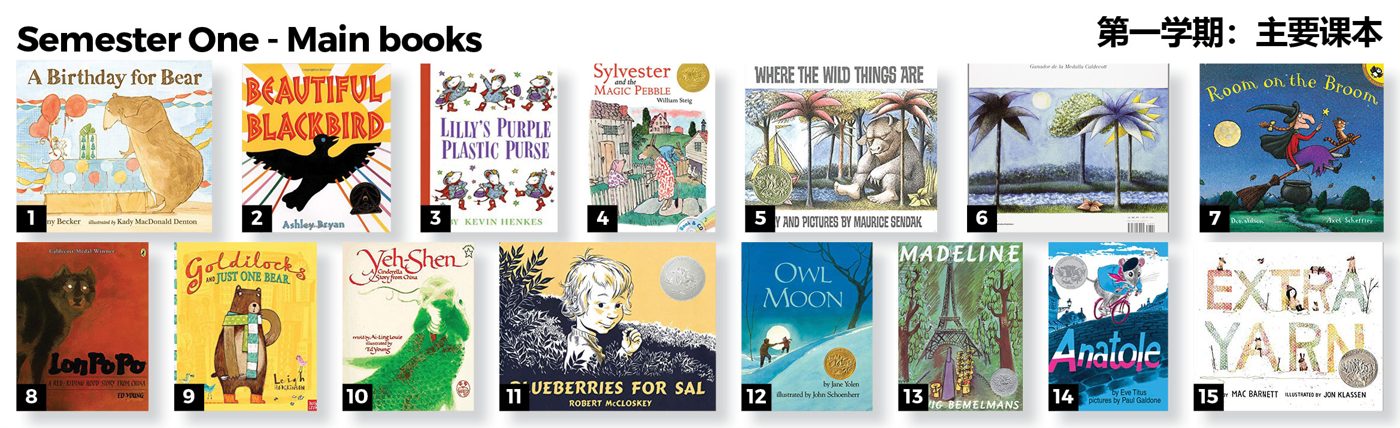
Semester One
- Odd and the Frost Giants — Neil Gaiman, 2009 · Fantasy/Mythology
- Flora and Ulysses: The Illuminated Adventures — Kate DiCamillo, 2013 · Fantasy/Adventure
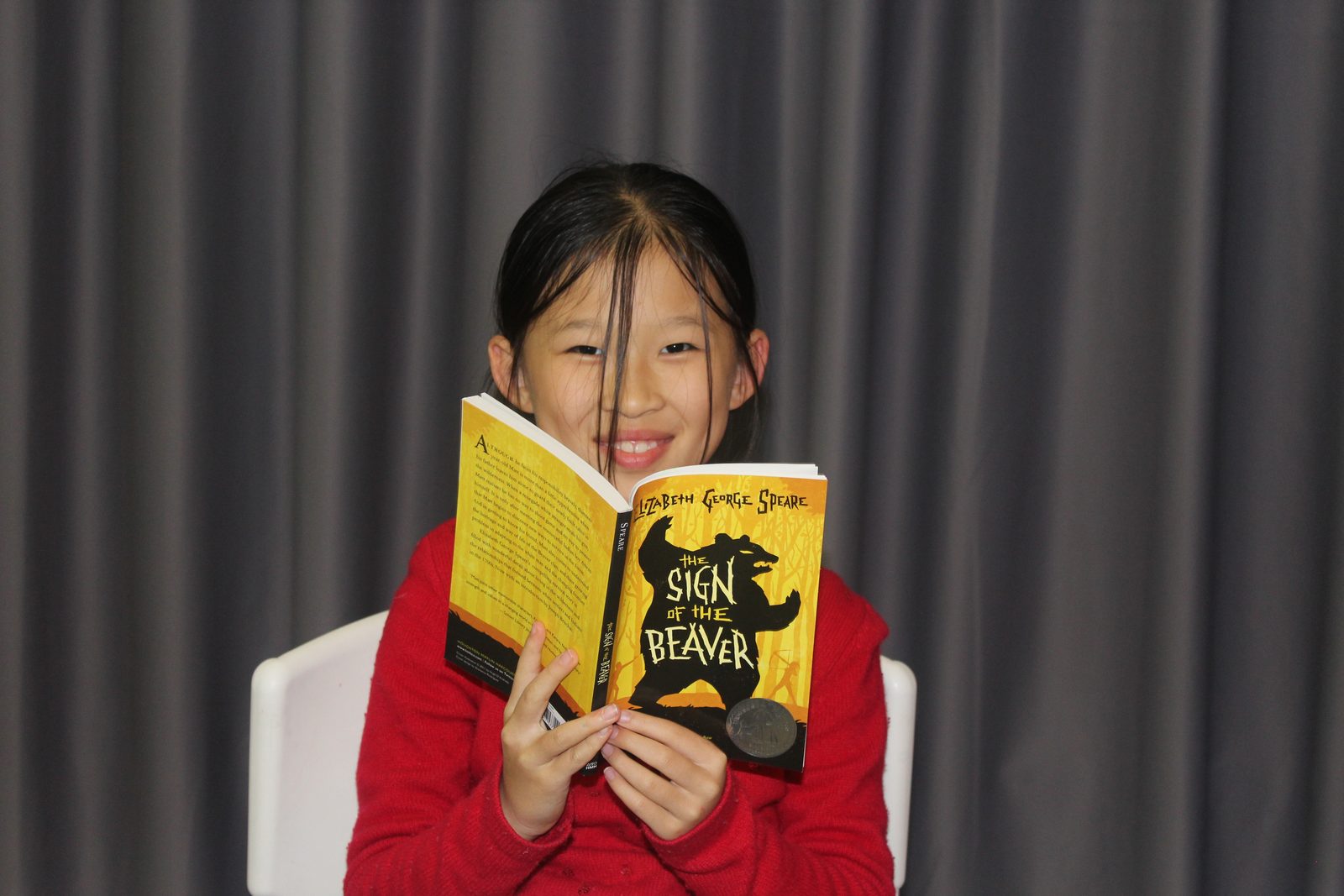
- The Sign of the Beaver — Elizabeth George Speare, 1983 · Historical Fiction
Winter School
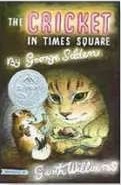
- A Cricket in Times Square — George Selden, 1960 · Fantasy
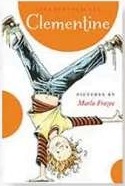
- Clementine — Sara Pennypacker, 2006 · Comedy/Humour
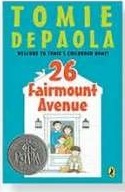
- 26 Fairmount Avenue — Tomie de Paola, 1999 · Autobiography/Biography
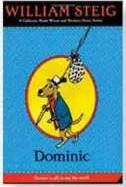
- Dominic — William Steig, 1972 · Fantasy/Adventure
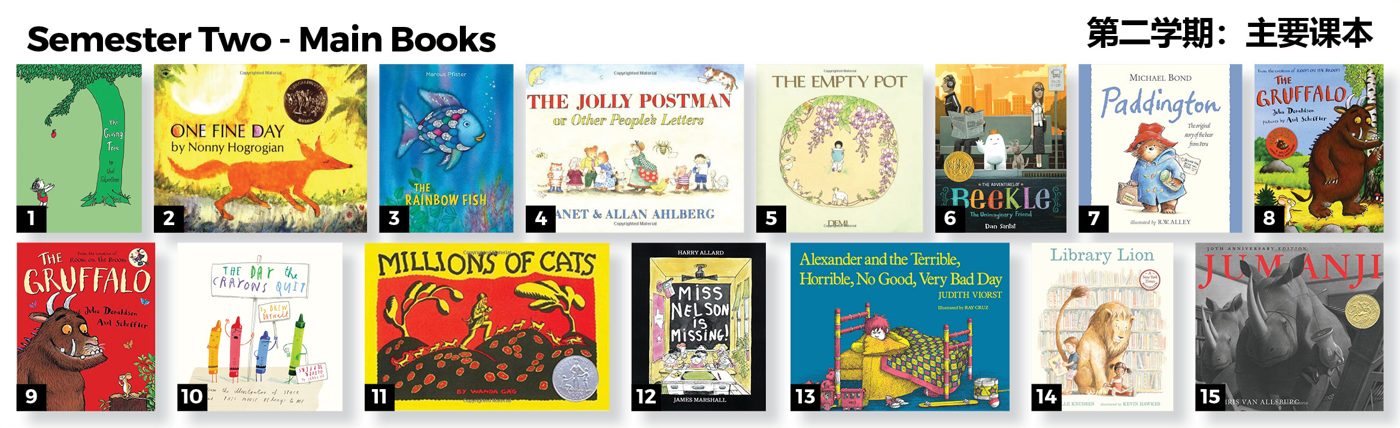
Semester Two
- The Little Prince — Antoine de Saint-Exupéry, 2000 · Classic Literature
- Mr. Popper's Penguins — Richard and Florence Atwater, 1938 · Classic/Comedy/Humour
- The Lion, the Witch and the Wardrobe — C. S. Lewis, 1950 · Classic/Fantasy
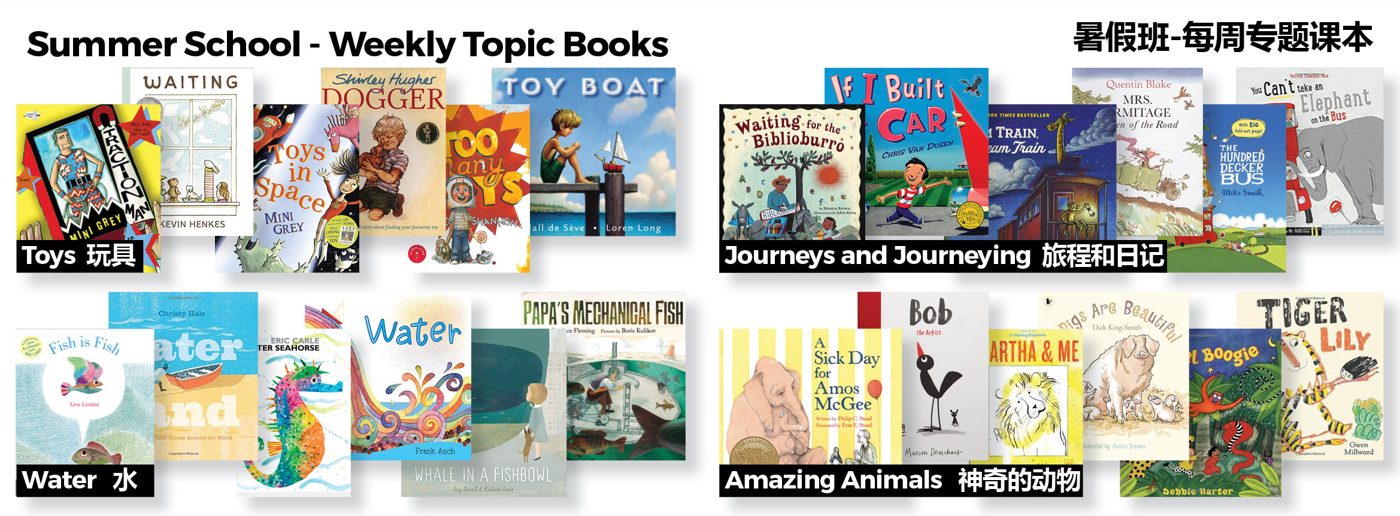
Summer School
- The One and Only Ivan — K. A. Applegate, 2012 · Fantasy
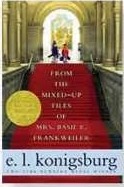
- From the Mixed-Up Files of Mrs. Basil E. Frankweiler — E. L. Konigsburg, 1967 · Adventure/Mystery
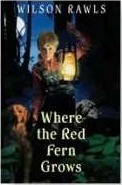
- Where the Red Fern Grows — Wilson Rawls, 1961 · Classic/Adventure
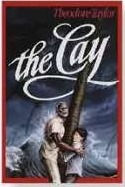
- The Cay — Theodore Taylor, 1969 · Classic/Adventure
Advanced 'A' G3–G5 · ages 8–11
Semester One
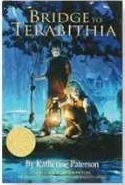
- Bridge to Terabithia — Katherine Paterson, 1977 · Realistic Fiction
- Escape From Mr. Lemoncello's Library — Chris Grabenstein, 2014 · Adventure/Mystery/Suspense
- The Boy of the Painted Cave — Justin Denzel, 1996 · Historical Fiction
Winter School
- The Tale of Despereaux — Kate DiCamillo, 2003 · Fantasy
- Ella Enchanted — Gail Carson Levine, 1997 · Comedy and Humour/Fantasy
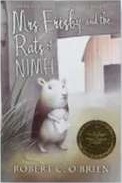
- Mrs. Frisby and the Rats of NIMH — Robert C. O'Brien, 1971 · Adventure/Science Fiction/Fantasy
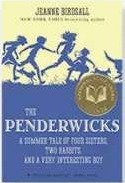
- The Penderwicks — Jeanne Birdsall, 2005 · Adventure/Realistic Fiction
Semester Two
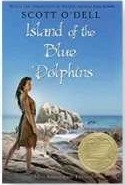
- Island of the Blue Dolphins — Scott O'Dell, 1960 · Adventure/Classic/Historical Fiction
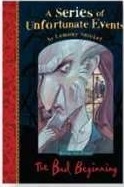
- The Bad Beginning — Lemony Snicket, 1999 · Mock Gothic
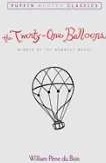
- The Twenty-One Balloons — William Pène du Bois, 1947 · Adventure/Science Fiction
Summer School
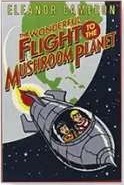
- The Wonderful Flight to the Mushroom Planet — Eleanor Cameron, 1954 · Classic/Science Fiction
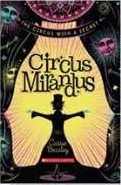
- Circus Mirandus — Cassie Beasley, 2015 · Fantasy
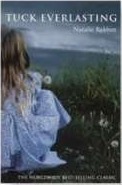
- Tuck Everlasting — Natalie Babbitt, 1975 · Fantasy
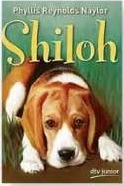
- Shiloh — Phyllis Reynolds Naylor, 2000 · Realistic Fiction
Advanced 'B' G4–G5 · ages 9–11
Semester One
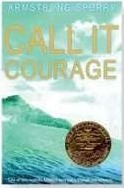
- Call It Courage — Armstrong Sperry, 1947 · Classic/Realistic Fiction/Adventure
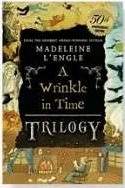
- A Wrinkle in Time — Madeleine L'Engle, 1962 · Adventure/Science Fiction
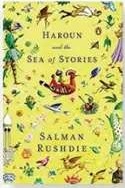
- Haroun and the Sea of Stories — Salman Rushdie, 1990 · Magic Realism/Fantasy
Winter School
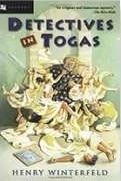
- Detectives in Togas — Henry Winterfeld, 1956 · Classic/Historical Fiction/Mystery
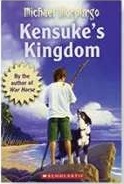
- Kensuke's Kingdom — Michael Morpurgo, 1999 · Historical Fiction/Adventure
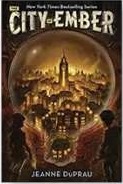
- The City of Ember — Jeanne DuPrau, 2003 · Science Fiction/Post-Apocalyptic
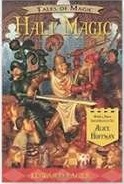
- Half Magic — Edward Eager, 1954 · Classic/Fantasy
Semester Two
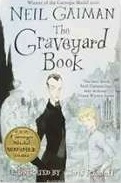
- The Graveyard Book — Neil Gaiman, 2008 · Mystery/Suspense/Fantasy
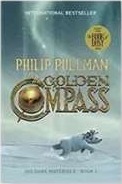
- The Golden Compass — Philip Pullman, 1995 · Fantasy/Adventure
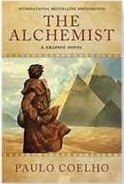
- The Alchemist — Paulo Coelho, 1988 · Modern Classic/Fantasy/Quest
Summer School
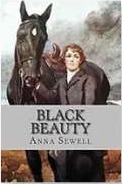
- Black Beauty — Anna Sewell, 1877 · Classic/Fantasy
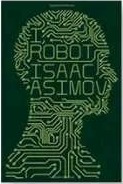
- I, Robot — Isaac Asimov, 1950 · Classic/Science Fiction/Short Stories
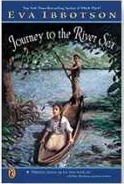
- Journey to the River Sea — Eva Ibbotson, 2001 · Realistic Fiction/Adventure
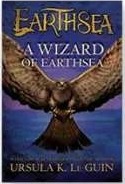
- A Wizard of Earthsea — Ursula K. Le Guin, 1968 · Fantasy
Teens Canon
Foundation G6–G7 · ages 11–13
Semester One
- The Wish Giver — Bill Brittain, 1983 · Science Fiction/Fantasy
- When You Reach Me — Rebecca Stead, 2009 · Historical Fiction/Science Fiction
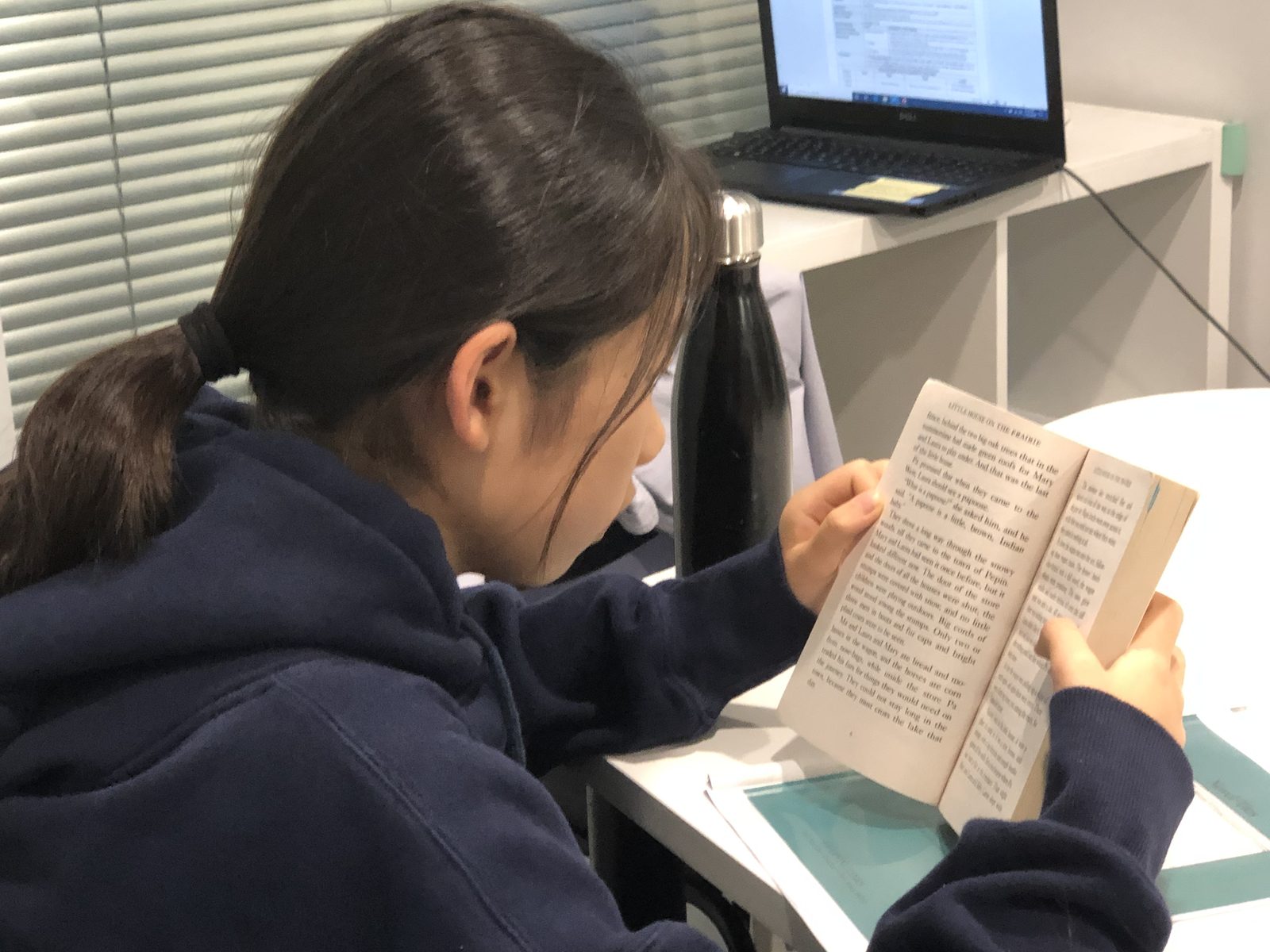
- Little House on the Prairie — Laura Ingalls Wilder, 1935 · Historical Fiction
Winter School
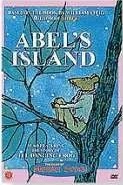
- Abel's Island — William Steig, 1976 · Fantasy
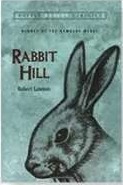
- Rabbit Hill — Robert Lawson, 1944 · Classic/Fantasy
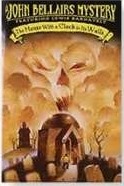
- The House with a Clock in Its Walls — John Bellairs, 1973 · Gothic Mystery
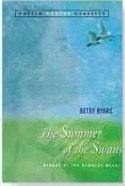
- The Summer of the Swans — Betsy Byars, 1971 · Realistic Fiction
Semester Two
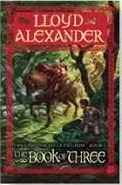
- The Book of Three — Lloyd Alexander, 1964 · Fantasy
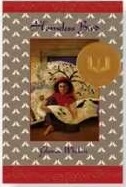
- Homeless Bird — Gloria Whelan, 2000 · Realistic Fiction
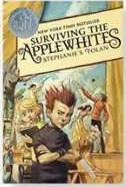
- Surviving the Applewhites — Stephanie S. Tolan, 2002 · Comedy/Humour/Realistic Fiction
Summer School
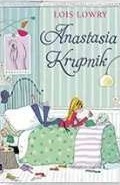
- Anastasia Krupnik — Lois Lowry, 1979 · Realistic Fiction/Humour
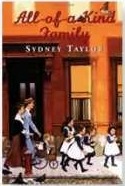
- All-of-a-Kind Family — Sydney Taylor, 1951 · Classic/Historical Fiction
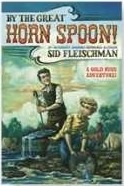
- By the Great Horn Spoon! — Sid Fleischman, 1963 · Adventure/Historical Fiction
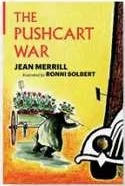
- The Pushcart War — Jean Merrill, 1964 · Classic/Realistic Fiction
Intermediate G6–G7 · ages 11–13
Semester One
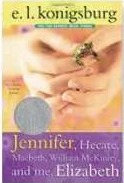
- Jennifer, Hecate, Macbeth, William McKinley, and Me, Elizabeth — E. L. Konigsburg, 1967 · Adventure/Science Fiction
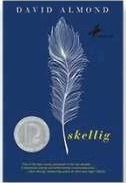
- Skellig — David Almond, 1998 · Magic Realism/Mystery
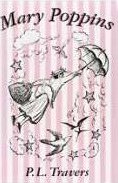
- Mary Poppins — Pamela L. Travers, 1934 · Classic/Humour/Fantasy
Winter School
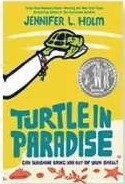
- Turtle in Paradise — Jennifer L. Holm, 2010 · Historical Fiction
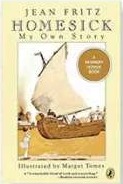
- Homesick: My Own Story — Jean Fritz, 1982 · Classic/Historical Fiction
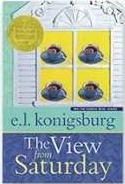
- The View from Saturday — E. L. Konigsburg, 1996 · Realistic Fiction
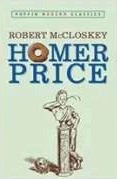
- Homer Price — Robert McCloskey, 1943 · Classic/Comedy and Humour/Short Stories
Semester Two
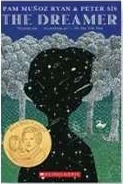
- The Dreamer — Pam Muñoz Ryan & Peter Sís, 2010 · Biographical Fiction/Poetry/Magic Realism
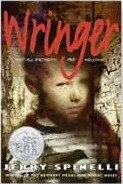
- Wringer — Jerry Spinelli, 1998 · Realistic Fiction
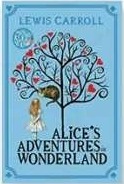
- Alice in Wonderland — Lewis Carroll, 1865 · Classic/Fantasy
Summer School
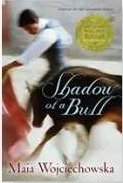
- Shadow of a Bull — Maia Wojciechowska, 1964 · Realistic Fiction
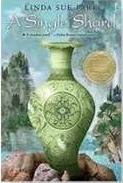
- A Single Shard — Linda Sue Park, 2001 · Historical Fiction
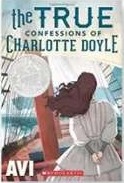
- The True Confessions of Charlotte Doyle — Avi, 1990 · Historical Fiction
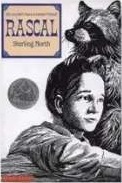
- Rascal — Sterling North, 1963 · Memoir
Advanced 'A' G6–G7 · ages 11–13
Semester One
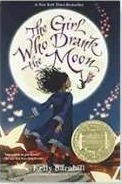
- The Girl Who Drank the Moon — Kelly Barnhill, 2016 · Fantasy
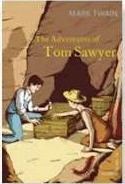
- The Adventures of Tom Sawyer — Mark Twain, 1876 · Classic/Adventure/Humour
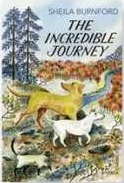
- The Incredible Journey — Sheila Burnford, 1961 · Classic/Adventure
Winter School
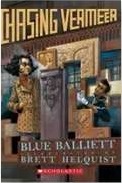
- Chasing Vermeer — Blue Balliett, 2004 · Mystery and Suspense
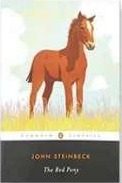
- The Red Pony — John Steinbeck, 1937 · Realistic Fiction/Novella
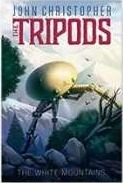
- The White Mountains — John Christopher, 1967 · Adventure/Science Fiction
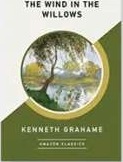
- The Wind in the Willows — Kenneth Grahame, 1908 · Classic/Fantasy
Semester Two
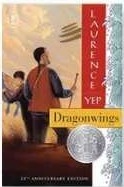
- Dragonwings — Laurence Yep, 1975 · Historical Fiction
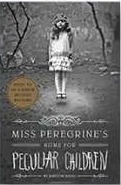
- Miss Peregrine's Home for Peculiar Children — Ransom Riggs, 2011 · Adventure/Fantasy
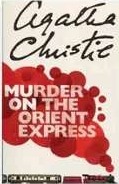
- Murder on the Orient Express — Agatha Christie, 1934 · Mystery/Suspense
Summer School
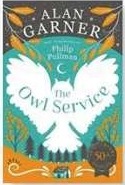
- The Owl Service — Alan Garner, 1967 · Fantasy
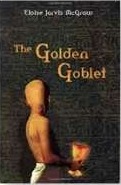
- The Golden Goblet — Eloise Jarvis McGraw, 1961 · Historical Fiction/Mystery/Suspense
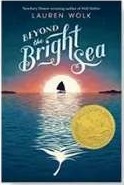
- Beyond the Bright Sea — Lauren Wolk, 2017 · Historical Fiction
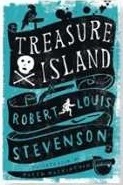
- Treasure Island — Robert Louis Stevenson, 1883 · Adventure/Classic
Advanced 'B' G7–G9 · ages 12–14
Semester One
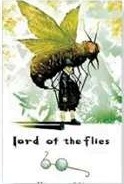
- Lord of the Flies — William Golding, 1954 · Realistic Fiction/Allegorical Novel
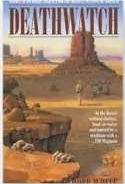
- Deathwatch — Robb White, 1972 · Adventure/Mystery/Suspense
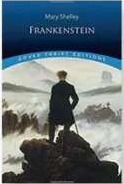
- Frankenstein — Mary Shelley, 1818 · Gothic Fiction/Science Fiction
Semester Two
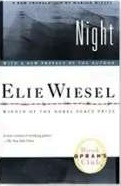
- Night — Elie Wiesel, 2006 · Autobiography/Biography
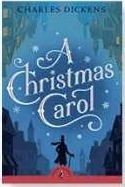
- A Christmas Carol — Charles Dickens, 1843 · Classic/Realistic Fiction
- Animal Farm — George Orwell, 1945 · Allegory/Satire
↑ Back to top
 Non-Fiction
In harmony with Studio Education's mission of excellence through reading, writing, and thinking, the Non-Fiction course offers students an alternative approach to the literary arts — understanding the world through factual, scientific, analytical, and primary experiences.
Adhering to the essential foundations of the Kids Canon programme, the Non-Fiction course develops students in the areas of analytical reasoning, reflection, and synthesis. Reading Non-Fiction allows students to expand their vocabulary, comprehend universal topics and themes, and develop a confidence to speak on influential events that have shaped the world past to present.
At the end of each book, students deliver a research speech and write an academic essay. Non-Fiction courses are advanced: students must test in. Contact your Learning Consultant for more information.
Research speeches
Non-Fiction Advanced 'B' ages 9–11
Semester One
- Inside of a Dog — Alexandra Horowitz
- The Boy Who Harnessed the Wind — William Kamkwamba & Bryan Mealer
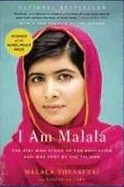
- I Am Malala — Malala Yousafzai
Semester Two
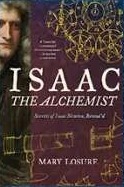
- Isaac the Alchemist — Mary Losure
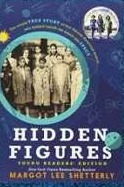
- Hidden Figures (Young Readers' Edition) — Margot Lee Shetterly
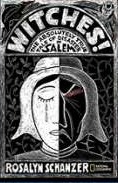
- Witches! The Absolutely True Tale of Disaster in Salem — Rosalyn Schanzer
Non-Fiction Advanced 'C' ages 10–12
Semester One
- Obsessed — Allison Britz
- The Soul of an Octopus — Sy Montgomery
- I Will Always Write Back — Caitlin Alifirenka & Martin Ganda with Liz Welch
Semester Two
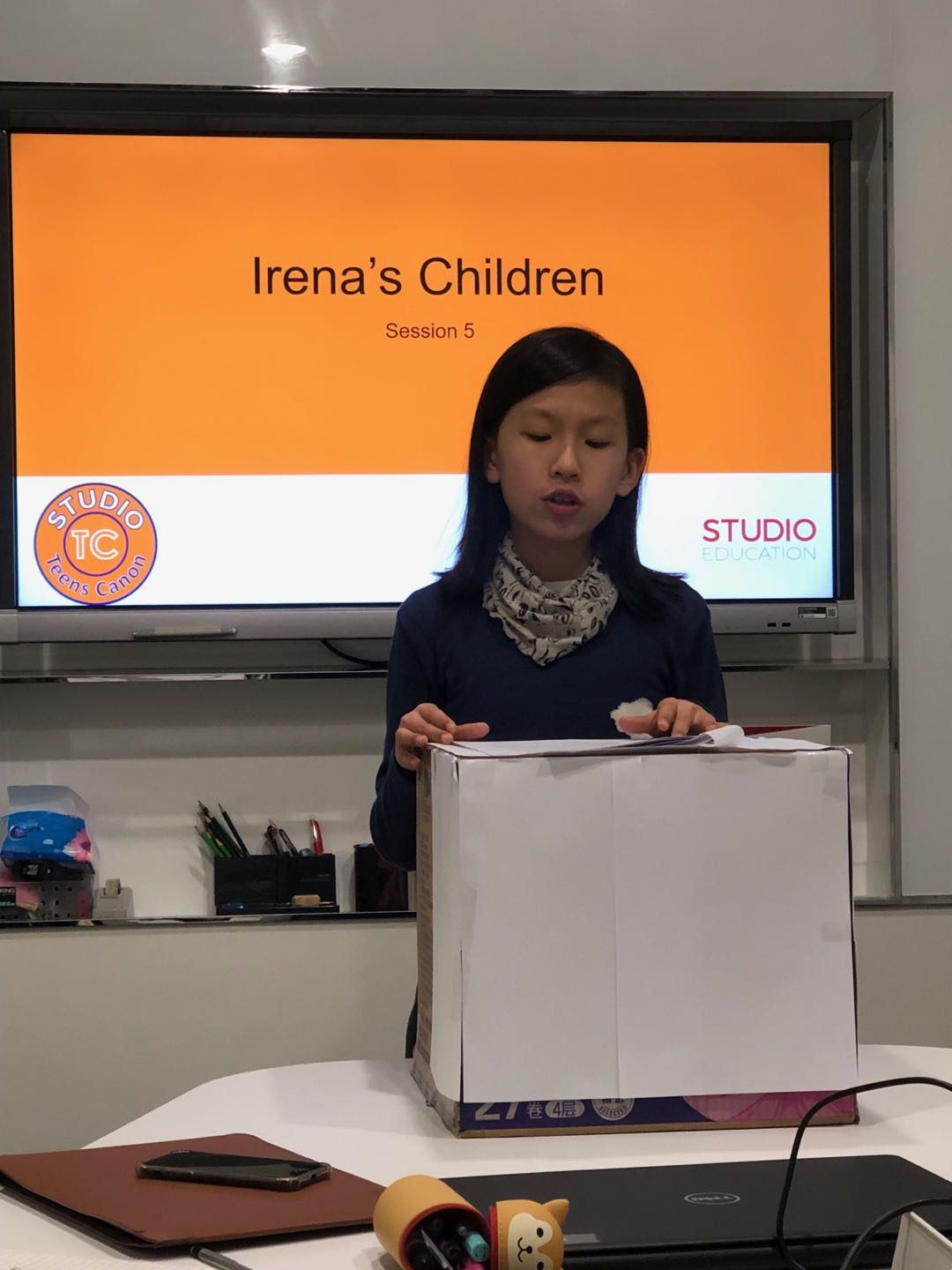
- Irena's Children (Young Readers Edition)
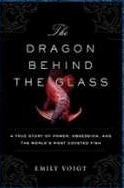
- The Dragon Behind the Glass — Emily Voigt
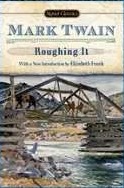
- Roughing It — Mark Twain
Non-Fiction Advanced 'A' ages 11–13
Semester One
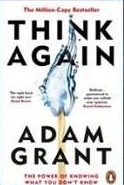
- Think Again — Adam Grant
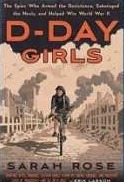
- D-Day Girls — Sarah Rose
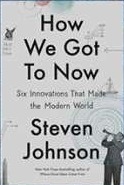
- How We Got to Now — Steven Johnson
Semester Two
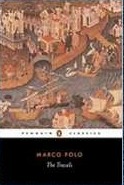
- The Travels — Marco Polo (Penguin Classics)
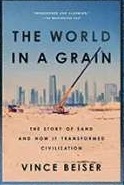
- The World in a Grain — Vince Beiser
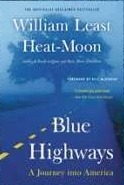
- Blue Highways — William Least Heat-Moon
Non-Fiction Advanced 'B' ages 12–14
Semester One
- Notes of a Native Son — James Baldwin
- A Moveable Feast — Ernest Hemingway
- Blood, Bullets and Bones — Bridget Heos
Semester Two
- Travels with Charley — Steinbeck
- The Future of Humanity — Michio Kaku
- Finding the Mother Tree — Suzanne Simard
Non-Fiction Advanced 'C' ages 14+
Semester One
- Turn Right at Machu Picchu — Mark Adams
- The Autobiography & Other Writings — Benjamin Franklin
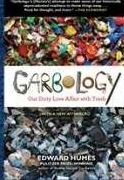
- Garbology — Edward Humes
Semester Two
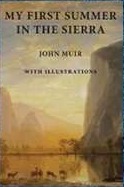
- My First Summer in the Sierra — John Muir
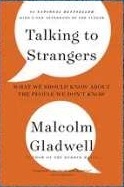
- Talking to Strangers — Malcolm Gladwell
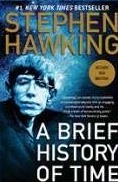
- A Brief History of Time — Stephen Hawking
↑ Back to top
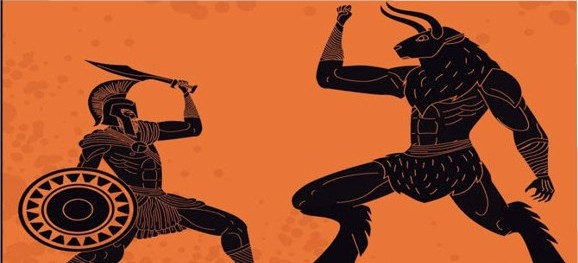
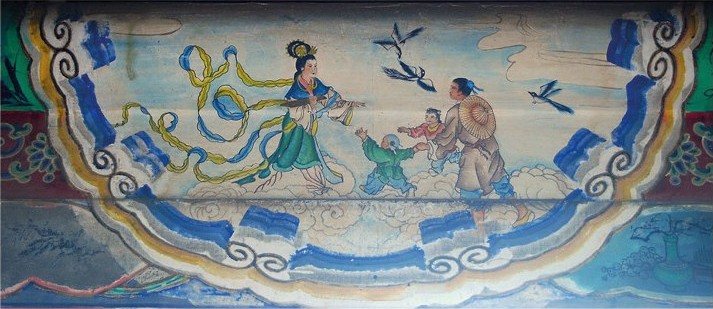
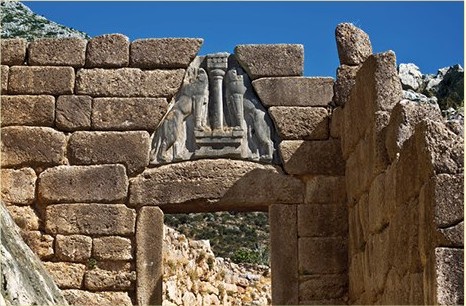
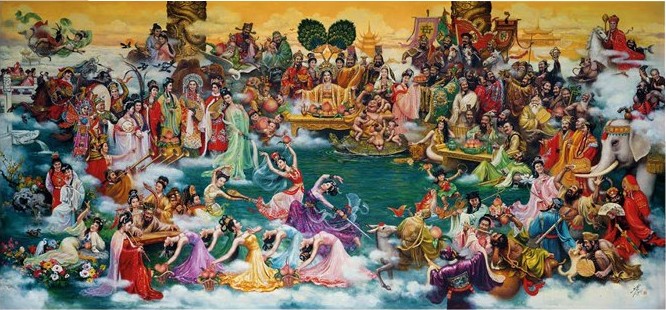
 Comparative Mythology Through Drama
Winter School and Summer School only
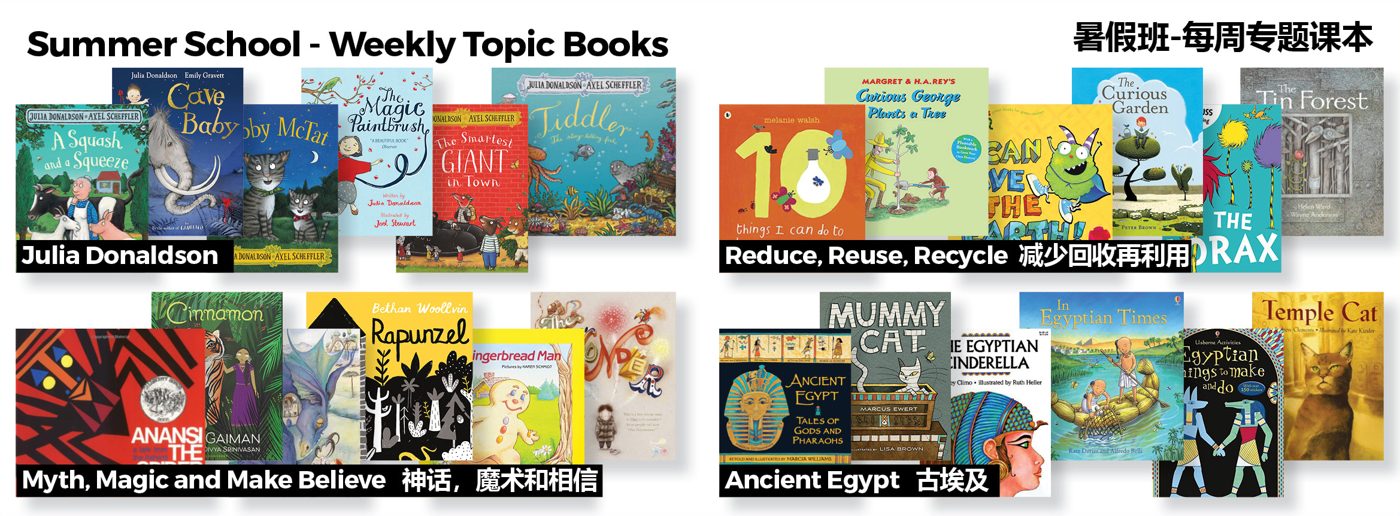
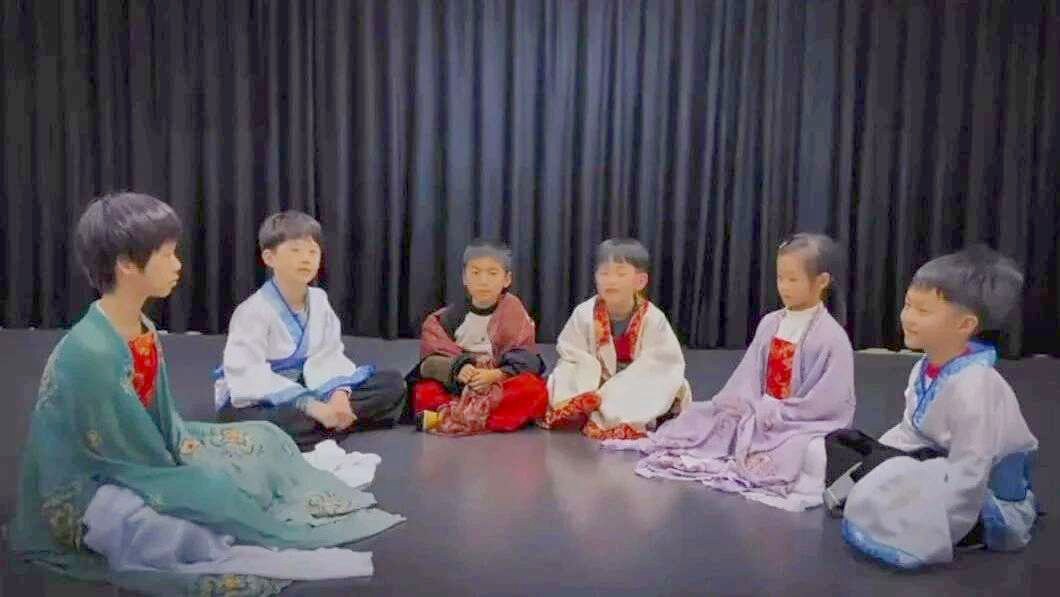
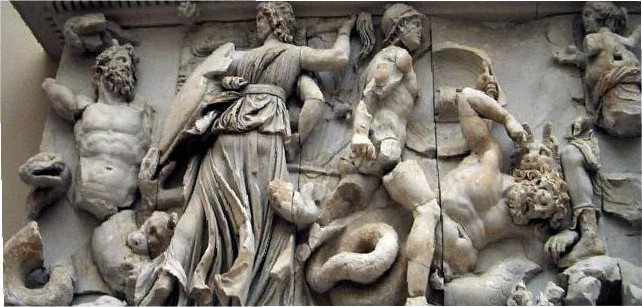
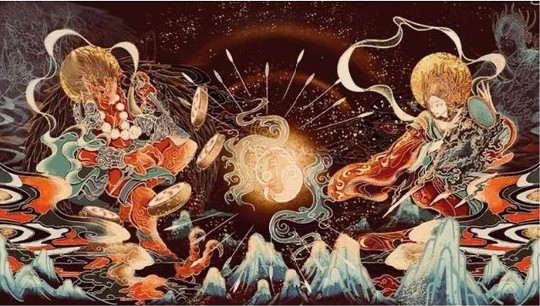
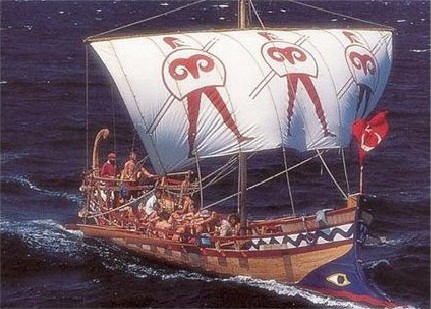
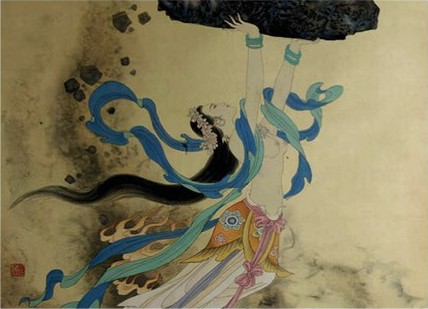
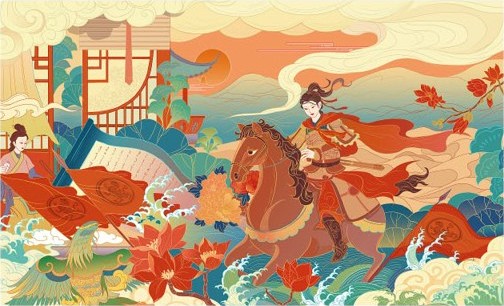
In every place across the globe where humans began to emerge over three-hundred thousand years ago, our ancestors expressed their wonder at the mysteries of existence in imaginative explanations of how and why the universe is how it is. Our common heritage is the mythology of the world, from Pangu to the titans to the great turtle to floods and fire and beasts and the nature of evil and of fate.
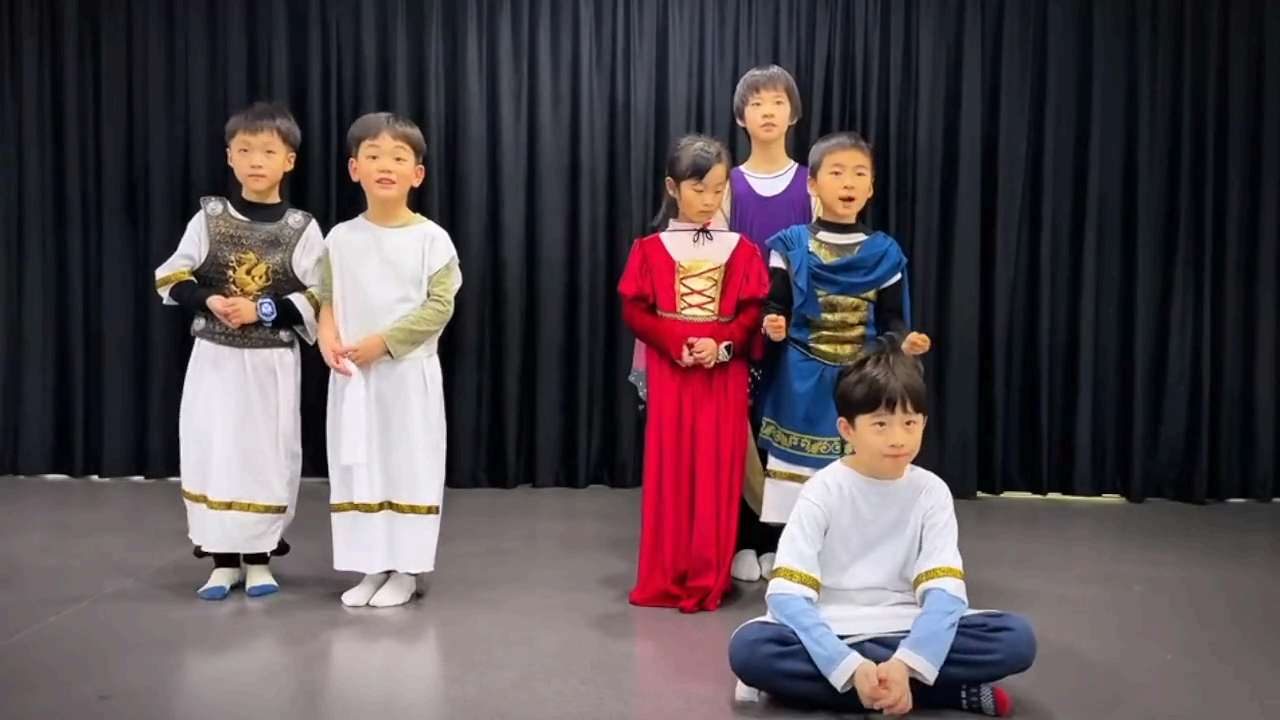
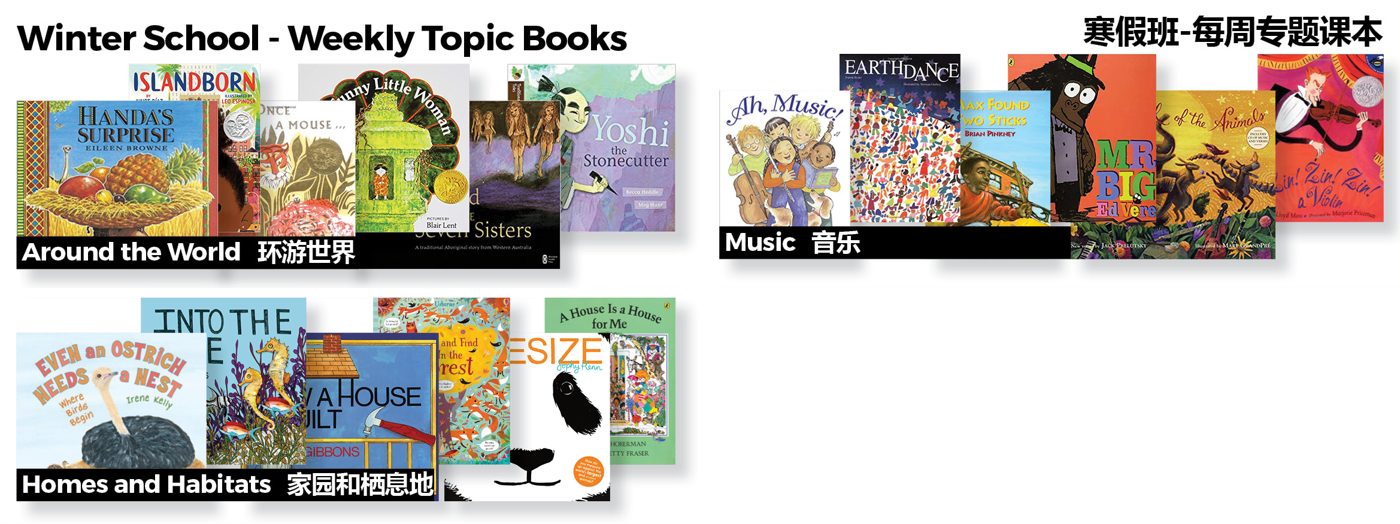
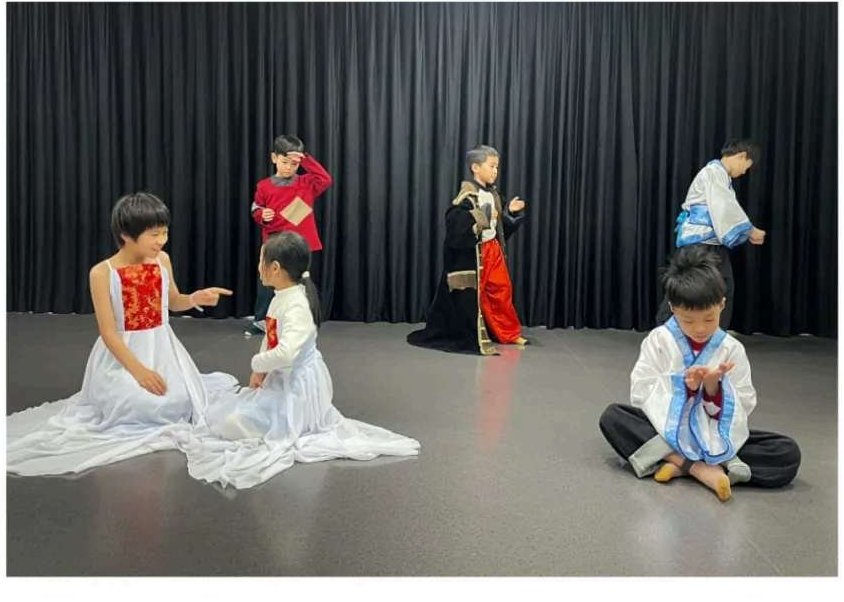
In these special one-week activities, children will explore our shared human heritage through dramatic interpretation of our ancestors' stories. Students begin the week with an introduction to mythology. Next, they read and analyse two myths on the same topic — one Greek and one Chinese. After grappling with both myths, students collaboratively devise two short playscripts, rehearse and perform them, and document their reflections in a daily Enquiry Journal. On the final day, they deliver an oral presentation and take home their scripts, their journal, and a film of their performance.
Five-day plan
- Monday — Introduction to mythology; read and understand two myths, one Chinese, one Greek; group-devise two playscripts; Enquiry Journal
- Tuesday — Group-devise playscript for Myth 2; mark up scripts; rehearse; Enquiry Journal
- Wednesday — Rehearse; Enquiry Journal
- Thursday — Rehearse; perform; Enquiry Journal
- Friday — Watch the film of their own performance; write a presentation about explorations and experience; children take home two playscripts, film of performance, presentation script, a film of their presentation, Enquiry Journal
Children are arranged according to age: 7–9, 9–11, and 11–13, and according to their Primary English, Kids Canon or Teens Canon level.
Winter School programme — myth pairings by group
PEP–PEF
- 1. Zao Jun / Baucis & Philemon — Hearth
- 2. Lady White Snake / Attack on Mount Olympus — Mountains
- 3. Taibai Jinxing / Hermes — Messengers
- 4. The Monkey King / Odysseus — Oceans
KCI–KCA
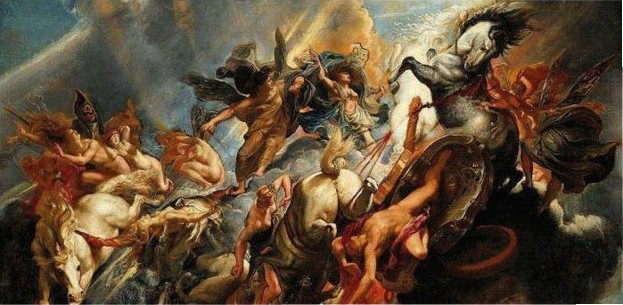
- 1. Lei Gong / Phaethon — Thunder
- 2. Shennong / Demeter and Triptolemus — Agriculture
- 3. Zhong Kui / Actaeon — Hunting
- 4. Butterfly Lovers / Eros and Psyche — Family
KCB+
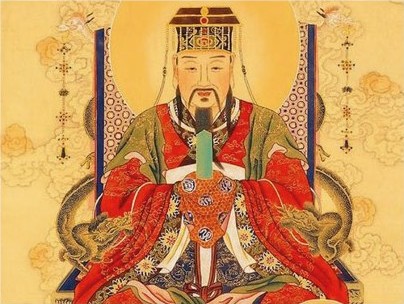
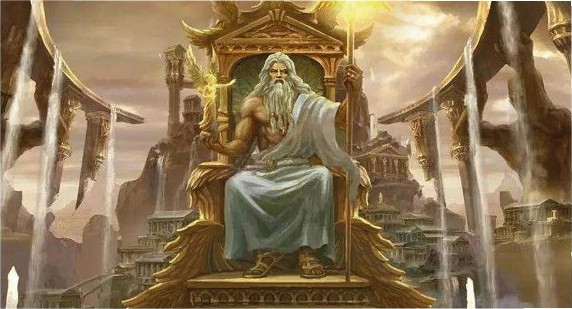
- 1. Jade Emperor Tricks the Monkey King / Zeus — Supreme Ruler
- 2. The Heibai Wuchang / Demeter and Persephone — The Underworld
- 3. Gun & Dayu / Lycaon and Deucalion — Floods
- 4. Nvwa / Prometheus — Origin of Mankind
Summer School programme — myth pairings by group
PEB
- 1. The Man with 100 Mothers / Melampus and Bias — Helping Others
- 2. Ugly Mrs. Liu / Odysseus and Circe — Magic and Potions
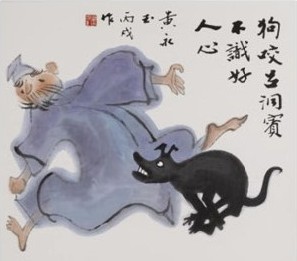
- 3. The Dog that Nipped Lu Dongbin / The Minotaur — Tricks
- 4. The Great Race / Scorpio — The Zodiac
PEP–PEF
- 1. The Cowherd and the Weaver Girl / Heracles and the Nemean Lion — Astrology
- 2. Magistrate Zhu and the Golden Rod / The Midas Touch — Gold
- 3. The Dragon and the Pearl / Cadmus and Europa — Dragons
- 4. The Dancing Crane / Heracles and Cerberus — Penniless Heroes
KCI–KCA
- 1. The Fox Sprite / Phrixus and Helle — Animals as Humans
- 2. Three Tests for Fei Jiangfang / Jason Wins the Golden Fleece — Tests and Challenges
- 3. The Peach Blossom Oath / Helen of Troy — Oaths and Promises
- 4. The Eight Immortals Cross the Sea / The Clashing Rocks — Crossing the Sea
KCB+
- 1. Nuwa Mends the Sky / Otus and Ephialtes — Heroines
- 2. How Zhang Guolao Became an Immortal / Tantalus — Food
- 3. Dueling Tigers: Zhang Fei and Ma Chao / Paris and Menelaus — Duels
- 4. Han Xiangzi and the Dragon Princess / The Sirens — Music
TCA+
- 1. The Royal Uncle Cao Guojiu / Danaus and Aegyptus — Brothers
- 2. The Ballad of Mulan / Euthyphro — Filial Piety
- 3. Lu Dongbin and the Peony Fairy / Perseus — Nymphs and Fairies
- 4. Gan Jiang and Mo Ye / The Vengeance of Medea — Revenge
Read more about Comparative Mythology Through Drama →
↑ Back to top

- Initial G1–G4 · ages 6–9
- Level One G2–G5 · ages 7–10
- Level Two G3–G6 · ages 8–11
- Level Three G4–G7 · ages 9–12
- Level Four G5–G8 · ages 10–13
- Level Five G6–G9 · ages 11–14
Studio Ready is a literature, writing, and grammar programme designed to prepare students to enter Studio's core programmes — Primary English, Kids Canon, and Teens Canon. Studio's core programmes require a student's English proficiency to be above, at, or approaching, native-English level, which is not always the case when English is a student's second or third language. Studio Ready is a literature-based offering, delivering excellence in grammar, reading, writing, and thinking to help students achieve the high level of skills required.
Studio Ready uses the reading lists for Primary English (for levels Initial through Three) and Kids Canon Intermediate (for Level Four) and Teens Canon Foundation (for Level Five), alongside Scholastic grammar workbooks.
Please speak to your Learning Consultant about Studio Ready level placement and pace of progression.
↑ Back to top
Summer 2027 · The Story of England · 12 to 26 July · ages 11–15
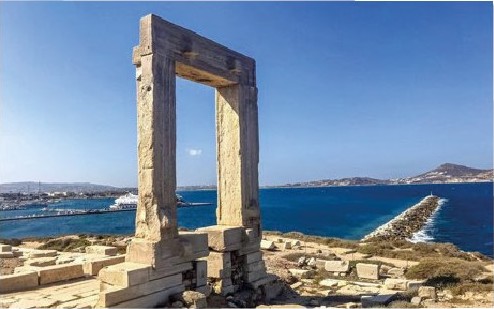
Global learning is not an approach but an action: students place themselves in the diverse contexts of the world and discover it as connected and unbound. Since 2015, Studio's Global Learning programmes have taken students out of the classroom and into the places where history, literature and drama happened — to England, and to the ancient sites of Greece — to learn there, on the ground, with Studio teachers.
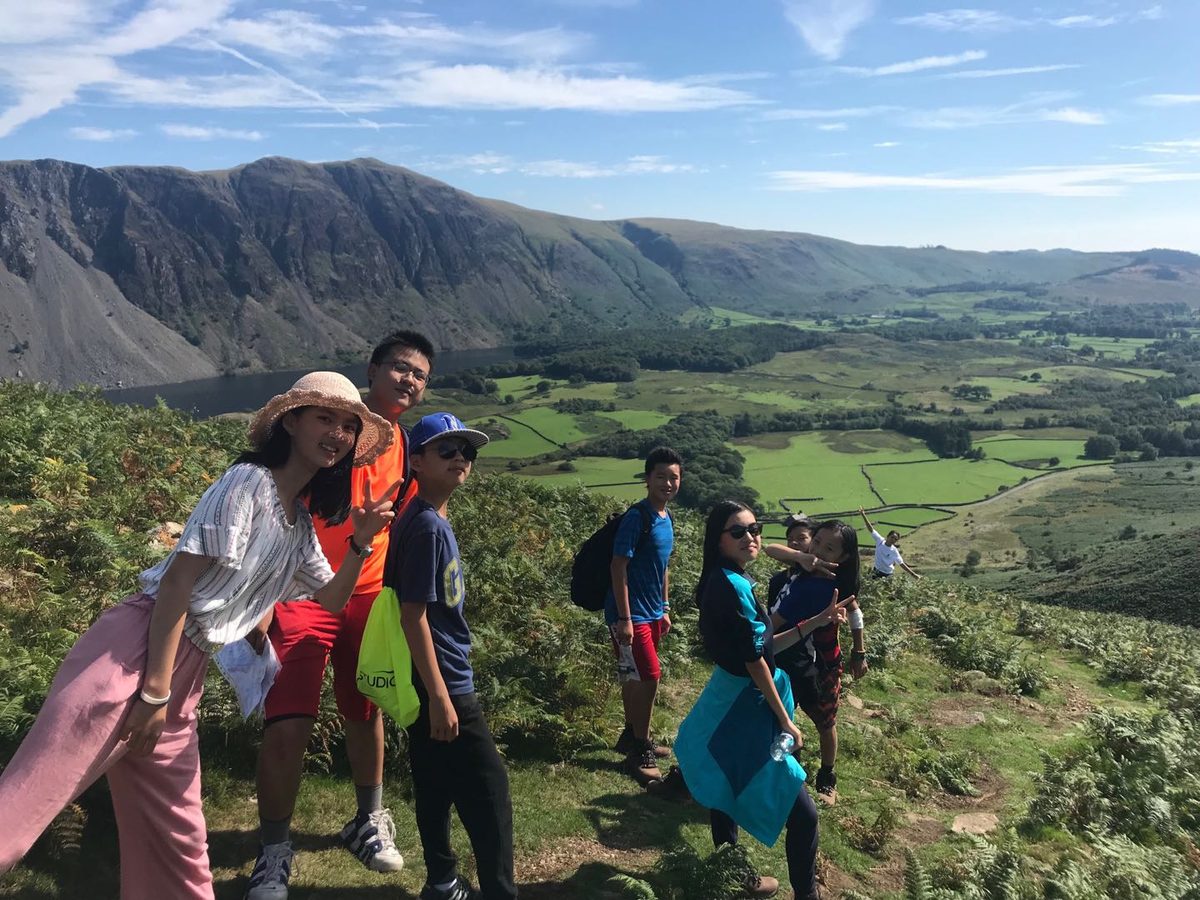
In summer 2027 Global Learning returns with The Story of England: fourteen nights at Wasdale Hall in the Lake District, 12 to 26 July. Three subjects taught as classes — History, Literature and Drama — with classes on ten of the fifteen days, seven days out by coach to the stone circles, the Roman forts, Hadrian's Wall, the abbeys and Dove Cottage, a day on the water and a day on Scafell Pike. The programme builds to two showcases, filmed for parents.
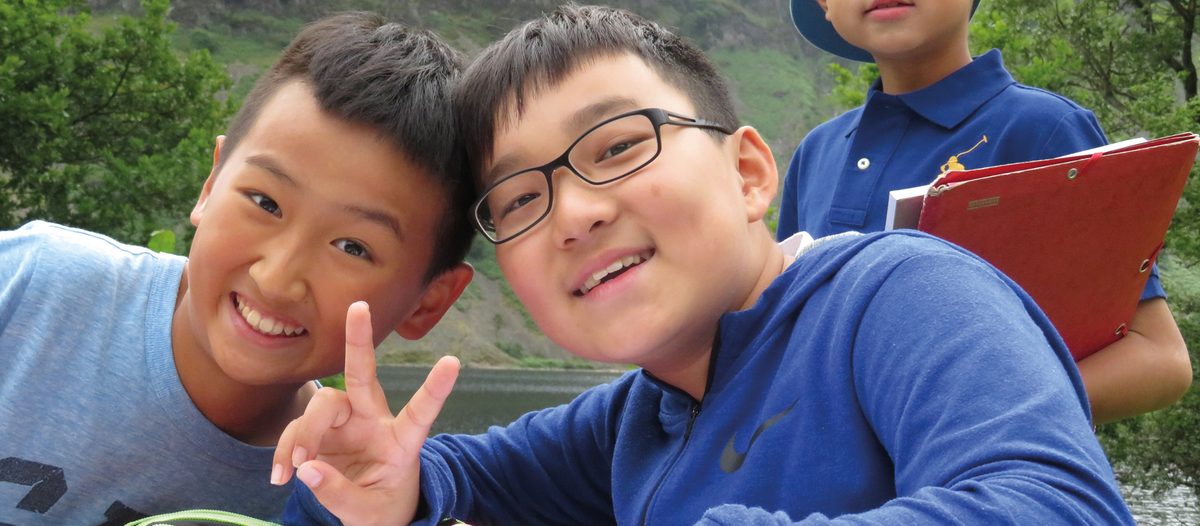
Photographs from The Story of England, 2015–2019.
The Story of England is open to Studio students aged 11–15; younger students, from age 8, may be admitted by agreement with their Learning Consultant. Students' academic English level should be TCI or above. Everything is taught in English, as at Studio. Twenty-four places. Enrol through your Learning Consultant.
Read more about Global Learning →